You Won’t Believe What Johannesburg’s Food Scene Just Did to Me
Johannesburg isn’t just South Africa’s pulsing economic heart—it’s a flavor explosion waiting to hit your taste buds. I went looking for meals and found culture, history, and soul served on plates. From smoky braais to vibrant street food markets, the city’s dining scene is real, raw, and ridiculously delicious. This isn’t just eating; it’s experiencing Joburg, one bite at a time. The aromas rise with the morning sun—charred meat, toasted maize, simmering curries—drifting through neighborhoods where food is not just prepared, but performed. Every dish tells a story of migration, survival, celebration, and reinvention. For anyone who has ever believed that the best way to know a city is through its kitchens, Johannesburg is a revelation.
First Bite: My Unexpected Love Affair with Joburg’s Food Culture
When I first stepped into Johannesburg, I wasn’t searching for a culinary awakening. I came for business, with a packed itinerary and modest expectations about the food—maybe some grilled meat, a few curries, and perhaps a modern restaurant or two. What I found instead was a full sensory immersion, a city where food isn’t an afterthought but the main character in daily life. My first real encounter began in a small, unmarked eatery in Troyeville, where a woman in a floral apron handed me a steaming plate without asking what I wanted. "You’re here," she said with a smile, "so you eat what we eat."
The dish was umngqusho—samp and beans slow-cooked with butter and onions, a Xhosa staple with deep roots in rural South Africa. It was humble, rich, and deeply comforting, served alongside a spicy chakalaka relish that made my eyes water in the best way. As I sat on a plastic stool, surrounded by men in workwear laughing over bottles of cold soda, I realized this wasn’t just a meal—it was an invitation. The flavors were bold, unapologetic, layered with generations of tradition. There was no fusion for tourists, no aesthetic plating—just food made with pride, patience, and purpose.
That moment shifted my entire view of Johannesburg. I had come seeing it as a city of skyscrapers and traffic, but now I saw it as a living kitchen, where every neighborhood offers its own recipe for resilience and joy. The diversity of ingredients, techniques, and traditions isn’t just visible—it’s edible. Whether it’s the scent of cumin and turmeric wafting from an Indian-run takeaway in Fordsburg or the smoky perfume of boerewors grilling at a weekend braai in Sandton, food here is a language all its own. And once you start listening with your palate, Joburg starts speaking directly to your heart.
The Heart of It All: What Makes Johannesburg’s Dining Scene Unique
Johannesburg’s food culture is not defined by a single tradition but by the constant conversation between many. This city is a true melting pot, shaped by centuries of migration, labor movements, and cultural exchange. The culinary landscape reflects the lives of Zulu, Sotho, Tswana, Afrikaans, Indian, Portuguese, and more recently, Congolese and Ethiopian communities—all of whom have brought their kitchens with them. The result is a dining scene that is both deeply traditional and thrillingly innovative, where ancestral recipes meet urban ingenuity.
At the core of this fusion is the concept of adaptation. Dishes evolve not out of trendiness, but necessity and creativity. Take bunny chow, for example—a hollowed-out loaf of bread filled with curry, born in the Indian communities of Durban but now a beloved staple in Joburg’s townships and city centers alike. Here, it’s been reimagined with local spices, faster cooking methods, and even vegetarian versions using lentils or chickpeas. It’s food that travels, changes, and improves with every hand that touches it.
Similarly, pap and wors—the maize porridge and grilled sausage often called South Africa’s national dish—might seem simple, but in Johannesburg, it’s elevated by context and craftsmanship. In some homes, pap is cooked with amasi (fermented milk) for a tangy twist. In others, the sausage is spiced with peri-peri or smoked over rooibos wood. These variations aren’t gimmicks; they’re expressions of identity. Each family, each neighborhood, has its own way of honoring the dish, and each version tells a story of where they come from and how they live now.
What makes Joburg’s food scene truly unique is its lack of pretense. You won’t find many white-tablecloth restaurants here boasting about "authentic" township cuisine. Instead, authenticity lives in the everyday—in the way a vendor folds a vetkoek, in the rhythm of a pot bubbling over a gas stove, in the shared silence of a family eating together after a long week. This is food that feeds bodies and binds communities. It’s not curated for outsiders; it’s lived, loved, and passed down.
Where the Locals Eat: Authentic Spots Beyond the Tourist Trail
If you want to taste the real Johannesburg, you have to go where the city eats—not in polished rooftop lounges, but in the unassuming corners where flavor rules over form. One of the most rewarding experiences is visiting a shebeen, a traditional informal tavern often run from someone’s home. These places are more than just eateries; they’re social hubs, where neighbors gather after work, elders share stories, and music plays from a small speaker in the corner.
In Soweto, I visited Mama Nandi’s Place, a shebeen known for its oxtail stew and homemade ginger beer. The stew had been simmering since dawn, the meat so tender it fell off the bone, bathed in a gravy thickened with roasted mealie meal and spiced with cloves and cinnamon. It was served with steamed spinach and stiff pap, and every bite felt like a celebration of patience and care. What struck me most wasn’t just the food, but the warmth—Mama Nandi greeted regulars by name, offered extra portions to those who looked tired, and made sure newcomers felt included. This is how food builds trust and belonging.
Another hidden gem is the network of spaza cafes—small, family-run convenience spots that also serve hot meals. In Alexandra, I stopped at a blue-painted spaza that doubled as a lunch counter, where a woman named Thuli sold chicken feet stew and mielie rice out of a single pot. The space was tiny, with two plastic tables and a fan struggling against the heat, but the line outside never ended. People came on foot, by taxi, even on bicycles, just for her cooking. Her secret? "I use the same pot every day," she told me. "The flavors stay. They grow." That sense of continuity—of cooking that accumulates memory—is something no recipe can capture.
Then there are the Indian-run curry houses in Laudium and Lenasia, where decades-old family recipes are still followed to the letter. One such spot, Ram’s Delicious, has been serving butter chicken, sambals, and roti since the 1970s. The owner, Mr. Reddy, insists on grinding his own spice blends daily. "If you rush it," he says, "you lose the soul." His dining room is plain, with vinyl tablecloths and fluorescent lights, but the food is extraordinary—rich, balanced, deeply aromatic. These places don’t need reviews or Instagram fame. Their reputation is built on consistency, honesty, and the kind of flavor that makes you close your eyes with every bite.
Markets That Move: Sampling Joburg’s Street Food Energy
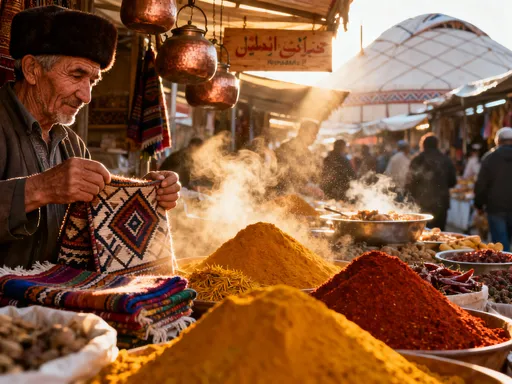
For sheer vibrancy and culinary variety, nothing beats Johannesburg’s food markets. These are not curated food halls with artisanal pricing, but living, breathing spaces where food is loud, fast, and full of life. The Maboneng Precinct’s Sunday Market is one of the most famous, drawing crowds from across the city with its mix of crafts, music, and, most importantly, food stalls that serve everything from gourmet burgers to traditional Zulu dishes.
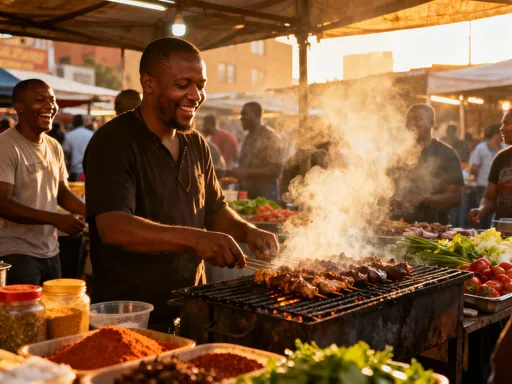
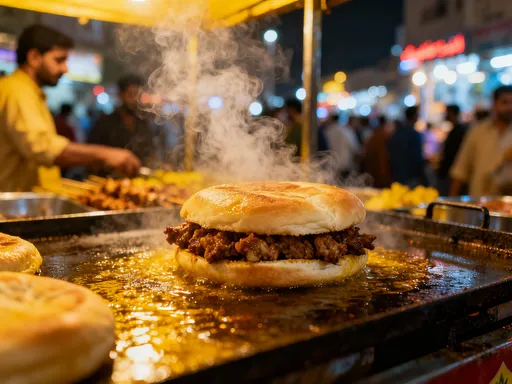
But the real magic happens in the early hours, when vendors set up their grills and pots, testing flames and seasoning dough. By noon, the air is thick with smoke, spice, and laughter. I started my tour with a vetkoek—a deep-fried dough ball stuffed with curried mince—crispy on the outside, steamy within. It’s the kind of food that sticks to your ribs and your memory. Nearby, a man flipped boerewors on a charcoal grill, the coils sizzling as fat dripped into the flames. He served them with a swipe of chakalaka and a slice of fresh bread, no fancy garnish needed.
Another highlight was the amasi station, where fermented milk is served in bowls with a sprinkle of sugar or paired with pap. The tangy, creamy texture is an acquired taste for some, but for many South Africans, it’s a daily staple, believed to aid digestion and boost immunity. Watching children sip it straight from the bowl, I realized how deeply food is woven into routine and wellness here.
But perhaps the most exciting market experience was at Wandie Gardens in Soweto, a sprawling weekend gathering where food is just one part of a larger cultural event. Gospel music blares from speakers, kids play soccer between stalls, and elders sit under shade cloths, sipping tea and watching the world go by. Here, I tried walkie talkies—double toasties filled with cheese, polony, and egg, grilled until golden. Simple? Yes. Delicious? Absolutely. And more than that, they represent the creativity of township cuisine—making something joyful out of basic ingredients.
These markets are not just places to eat; they’re places to be seen, to connect, to participate. They reflect the rhythm of Johannesburg life—hustling, hopeful, and full of flavor. And for visitors, they offer a rare chance to engage with the city not as spectators, but as part of the meal.
Braai Like a Local: The Sacred Ritual of South African Barbecue
No understanding of Johannesburg’s food culture is complete without the braai—a social institution built around fire, meat, and time. More than just a barbecue, the braai is a weekly ritual, a way of bringing people together across generations and backgrounds. It happens in backyards, parks, and even office parking lots, usually on weekends, when families and friends gather around a metal grill or portable drum braai, waiting for the coals to turn gray.
The preparation is as important as the meal. The fire is tended with care—too hot, and the meat burns; too cool, and it dries out. The host, often a man but increasingly women too, stands guard over the grill, turning sausages, lamb chops, and chicken pieces with a long fork. The smell of wood smoke and marinated meat fills the air, drawing people closer. Side dishes—pap, chakalaka, coleslaw, and salads—are laid out on tables, often homemade and passed from hand to hand.
For visitors, being invited to a braai is a sign of inclusion. It means you’re not just passing through—you’re welcome. If you’re lucky enough to receive such an invitation, there are a few unwritten rules. First, arrive with something: a loaf of bread, a bottle of wine, or a bag of coals. Second, don’t rush the process. The braai is not fast food; it’s slow, social cooking. Third, be ready to eat with your hands. Forks are optional; napkins are essential.
And when it comes to eating, follow the locals. Try the boerewors first—a coiled sausage made from beef, lamb, or pork, seasoned with coriander and nutmeg. Then move to the sosaties, marinated meat skewers that carry a hint of apricot jam and tamarind. Finish with a piece of grilled corn on the cob, slathered in butter and spices. Every bite is a lesson in simplicity and satisfaction.
The braai teaches patience, presence, and generosity. It’s not about perfection; it’s about sharing. In a city that can feel fast and fragmented, the braai remains a constant—a reminder that connection still happens best around a fire, with good food and good company.
From Township to Table: How Food Empowers Communities
Beyond flavor and tradition, Johannesburg’s food scene plays a powerful role in social upliftment. In townships like Soweto, Alexandra, and Diepsloot, food is not just sustenance—it’s opportunity. A growing number of grassroots initiatives are turning kitchens into classrooms, stalls into businesses, and recipes into legacies. These efforts are led by women, youth, and entrepreneurs who see food as a tool for change.
One inspiring example is the Soweto Kitchen Collective, a women-led cooperative that trains local cooks in food safety, business skills, and modern marketing. Members produce traditional foods—amasi, phutu pap, and vegetable relishes—and sell them at markets and online. The project doesn’t just create income; it preserves cultural knowledge that might otherwise fade. "Our grandmothers taught us this," says Nomsa, one of the founders. "Now we teach our daughters, and we sell it with pride."
Another initiative, the Alexandra Street Food Hub, supports young vendors in launching their own food businesses. Participants receive microloans, hygiene training, and access to safe cooking spaces. One graduate, Thabo, now runs a popular stand selling gourmet vetkoek with fillings like pulled beef and spicy coleslaw. He reinvests his profits into his siblings’ education. "Food gave me a future," he says. "Now I want to give back."
These programs are more than economic engines—they’re acts of cultural reclamation. In a country still grappling with inequality, they prove that dignity and opportunity can come from something as fundamental as a well-cooked meal. They also challenge outdated narratives about townships being places of lack. Instead, they show them as centers of innovation, resilience, and flavor.
When you eat food from these initiatives, you’re not just enjoying a dish—you’re supporting a movement. Every bite contributes to a larger story of empowerment, one where heritage and hope are served side by side.
Eating Smart in Joburg: Safety, Etiquette, and Getting the Most Out of Your Meals
Johannesburg is a city that rewards curiosity, but like any major urban center, it pays to be mindful. The good news is that dining here can be safe, enjoyable, and deeply rewarding when approached with respect and awareness. Most food destinations frequented by locals are welcoming to visitors, especially if you come with an open heart and a willingness to learn.
Start with location. Stick to well-known areas like Maboneng, Melville, Soweto (on guided tours or during daytime markets), and Rosebank for a mix of safety and authenticity. Avoid wandering into unfamiliar neighborhoods at night, especially alone. If you’re unsure, ask your hotel concierge or a trusted local for recommendations. Many popular eateries, especially in townships, are accustomed to visitors and will make you feel at home.
When it comes to payment, carry cash—many small vendors and spaza cafes don’t accept cards. Keep bills in small denominations, and avoid flashing large amounts. Tipping is appreciated but not always expected in casual settings. In sit-down restaurants, a 10–15% tip is standard if service is included. In shebeens or markets, rounding up the bill is a kind gesture.
Etiquette matters. Always greet the person serving you, even with a simple "hello" or "how are you?" In many cultures here, food is shared with warmth, and a little politeness goes a long way. Don’t take photos without asking—some vendors are happy to pose, but others see it as intrusive. And if you’re invited into someone’s home for a meal, accept with gratitude. It’s a rare honor.
Finally, eat with confidence but also care. Street food is generally safe, especially when it’s freshly cooked and served hot. Look for stalls with high turnover—this means the food isn’t sitting out for long. Trust your instincts: if something looks or smells off, skip it. But don’t let caution keep you from trying new things. Some of the best meals come from the most unexpected places.
Conclusion
Johannesburg’s food is more than sustenance—it’s a gateway to understanding its people, history, and spirit. Every meal carries rhythm, resilience, and joy. From the slow simmer of a township stew to the lively crackle of a braai fire, the city feeds you in ways that go beyond hunger. It offers connection, education, and transformation, one plate at a time.
Come hungry, stay curious, and let the city feed not just your body, but your soul. In Johannesburg, every bite tells a story. Every flavor carries a legacy. And every meal is an invitation to belong. Whether you’re sitting on a plastic stool in a spaza cafe or sharing a sausage at a backyard braai, you’re not just eating—you’re becoming part of something real, something enduring, something deliciously alive.