You Won’t Believe What I Found in York—Hidden Culture Everywhere
York isn’t just stone walls and old streets—it’s alive with culture hiding in plain sight. I went looking for history, but what I discovered was so much more: intimate theatre performances, local art tucked in alleyways, and centuries-old traditions still beating strong. This city surprised me at every turn, not with grand gestures, but with quiet, authentic moments. If you think York is just a tourist trail, think again—there’s a whole underground of cultural life waiting to be experienced. Beyond the polished brochures and camera-ready corners lies a city that breathes through its people, their creativity, and shared rituals passed down through generations. This is not a museum piece frozen in time, but a living, evolving community where heritage and modernity coexist in harmony.
First Impressions: The Surface Story of York
Most visitors arrive in York expecting a postcard come to life—and in many ways, they get exactly that. The towering presence of York Minster, with its intricate Gothic architecture and stained-glass grandeur, dominates the skyline like a sentinel of time. The cobbled lanes of The Shambles, with their overhanging timber-framed buildings, evoke visions of medieval market life, complete with apothecary-style shopfronts and the scent of fresh bread wafting from corner bakeries. These landmarks are undeniably stunning, drawing millions each year who come to walk in the footsteps of Vikings, monks, and merchants.
Yet, beneath this polished surface lies a deeper rhythm, one that doesn’t always make it onto guided tour itineraries. While the iconic sights offer a window into the past, they can sometimes overshadow the present-day cultural pulse that animates the city. It’s easy to mistake York for a beautifully preserved relic, a city resting on its historical laurels. But those who linger beyond the main thoroughfares, who wander without a map and listen more than they photograph, begin to notice something different—a subtle hum of creativity, community, and continuity.
The real magic of York isn’t confined to its museums or monuments. It’s found in the way a street musician plays a folk tune near St. Martin’s Courtyard, how a local painter sets up an easel in Museum Gardens on a quiet Tuesday morning, or how neighbors gather in a courtyard for an impromptu storytelling night. These moments aren’t staged for tourists; they’re part of the city’s everyday fabric. Recognizing them requires slowing down, stepping off the beaten path, and opening oneself to the possibility that history isn’t just behind glass cases—it’s alive in the way people live, create, and celebrate today.
The Pulse of Local Theatre: From Mystery Plays to Modern Stages
Theatre in York is not merely entertainment—it’s a living thread connecting the present to the medieval past. At the heart of this tradition are the York Mystery Plays, a cycle of biblical dramas performed by guilds as far back as the 14th century. Once staged on elaborate pageant wagons that rolled through the city streets, these plays were both religious devotion and public spectacle. Though suppressed during the Reformation, they were revived in the 20th century and continue to be performed every few years, often in outdoor settings that echo their original spirit.
But York’s theatrical energy doesn’t stop with historical reenactment. The city hosts a thriving contemporary scene, where classic storytelling meets modern expression. The Theatre Royal, one of England’s oldest working theatres, presents a mix of touring productions, musicals, and locally developed works. What sets it apart is its commitment to community engagement—offering workshops, youth programs, and platforms for emerging playwrights. Here, generations gather not just to watch, but to participate in the evolution of performance art.
Equally vital are the smaller, independent venues that thrive on experimentation. Spaces like the York Theatre Royal’s Studio, the Bunker Theatre, and pop-up performances in converted warehouses provide stages for fringe artists, experimental troupes, and spoken word collectives. These intimate settings foster a sense of closeness between performer and audience, turning each show into a shared experience rather than a distant spectacle. It’s not uncommon to see a cast member serving tea after a performance or inviting feedback over biscuits—a testament to the city’s deeply rooted belief that theatre belongs to everyone.
For visitors, attending a local production offers more than just an evening of culture; it’s a chance to witness how York honors its past while embracing new voices. Whether it’s a reimagined version of a medieval tale or an original play exploring modern themes, the stage in York remains a mirror of the community—reflective, dynamic, and ever-evolving.
Street Art & Hidden Galleries: Culture Beyond the Guidebooks
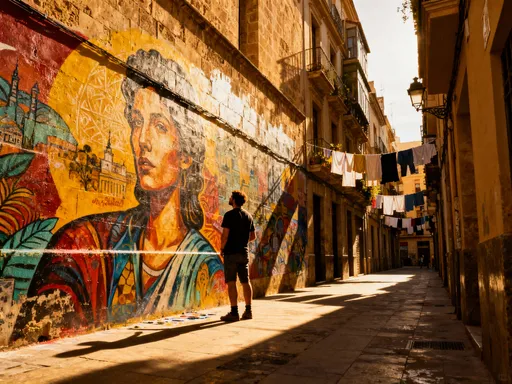
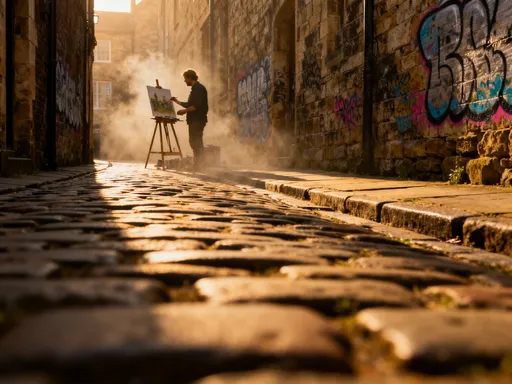
While York’s medieval architecture draws the eye upward, its contemporary soul often reveals itself at ground level—in narrow snickelways, tucked-away courtyards, and repurposed buildings where art quietly blooms. Away from the polished shop windows of Parliament Street, a different kind of creativity thrives. Murals painted on the sides of old stone walls depict everything from local folklore to abstract expressions of identity. These works, often created by regional artists, add color and conversation to spaces that might otherwise go unnoticed.
One need only wander into areas like Piccadilly, Heslington Village, or along the banks of the River Ouse to encounter these hidden artistic gestures. A former chapel now doubles as an exhibition space for emerging painters, while a disused warehouse hosts rotating installations by textile artists and ceramicists. These grassroots galleries operate without fanfare, relying on word-of-mouth and social media to draw curious visitors. Their charm lies in their intimacy—there are no ticket lines, no audio guides, just the quiet exchange between artist and observer.
York’s art scene is deeply rooted in place. Many works reference the city’s layered history—Viking runes reinterpreted through modern calligraphy, stained-glass patterns reimagined in digital prints, or maps of ancient trade routes transformed into mixed-media collages. This dialogue between old and new creates a sense of continuity, reminding viewers that culture is not static but constantly reshaped by those who inherit it.
For the attentive traveler, discovering these spaces feels like uncovering a secret. There’s no pressure to “see everything,” no checklist to complete—just the pleasure of stumbling upon beauty in unexpected corners. A painted door in a quiet alley, a sculpture nestled among ivy, a poetry reading in a converted bookshop—these moments invite pause, reflection, and connection. They remind us that culture isn’t always loud or monumental; sometimes, it whispers.
Festivals That Define the City’s Rhythm
York’s cultural calendar is rich with events that bring the community together in celebration, creativity, and shared purpose. Unlike fleeting tourist attractions, these festivals are deeply embedded in local life, offering both residents and visitors a chance to engage with the city’s soul. Each one has its own character, yet all share a common thread: they are participatory, inclusive, and rooted in tradition while embracing innovation.
The York Early Music Festival, held annually in July, transforms churches, halls, and even private homes into venues for performances of medieval, Renaissance, and Baroque music. Lutenists, harpsichordists, and vocal ensembles from across Europe gather to present works that might otherwise remain confined to academic settings. What makes this festival special is its accessibility—many events are free or low-cost, and audiences are encouraged to ask questions, attend masterclasses, or even try their hand at period instruments. The music, once reserved for courts and cathedrals, becomes a living, breathing part of the city’s present.
Equally vibrant is the York Literature Festival, a celebration of words in all forms. From poetry slams in cozy pubs to author talks in historic libraries, the festival creates space for storytelling in its many guises. Local writers share memoirs of growing up in York, while international guests discuss global themes through a literary lens. Children’s events, writing workshops, and bookbinding demonstrations ensure that the love of language is passed on to new generations. It’s not uncommon to see families sitting together on the grass outside the Yorkshire Museum, listening to a reading of a classic novel under the open sky.
Then there’s the York Food & Drink Festival, a sensory celebration that highlights the region’s culinary heritage. Farmers, bakers, cheesemakers, and brewers come together to showcase their crafts, offering tastings, demonstrations, and hands-on classes. The atmosphere is festive but grounded—a reminder that culture is also tasted, smelled, and shared around a table. Whether sampling locally smoked salmon, learning to make parkin cake, or sipping craft cider in a medieval courtyard, visitors experience York not just as a visual destination, but as a place of flavor and tradition.
These festivals do more than entertain—they strengthen community bonds and preserve intangible heritage. They are not performances for outsiders, but invitations to belong, even if only for a weekend. For those seeking authenticity, attending a local festival offers a rare opportunity to witness culture in motion, shaped by the people who call York home.
Craftsmanship Alive: Markets, Makers, and Medieval Roots
In an age of mass production, York’s markets offer a refreshing return to handmade, heart-made goods. Here, craftsmanship is not a nostalgic display but a living practice, carried on by artisans who blend historical techniques with contemporary design. The Coppergate Centre and St. Sampson’s Square markets are central to this revival, serving as gathering places where skill, tradition, and community intersect.
On any given Saturday, visitors can watch a blacksmith shape metal over an open forge, using methods unchanged for centuries. Nearby, a candlemaker pours beeswax into molds, explaining how different wicks affect burn time and scent dispersion. Calligraphers demonstrate medieval lettering with quill and ink, offering personalized name cards or small artworks. These are not costumed performances for tourists—they are working artists, many of whom sell their creations full-time and teach workshops to keep their crafts alive.
The goods on offer reflect both function and beauty. Hand-thrown pottery, hand-stitched leather journals, woolen scarves dyed with natural pigments—each item tells a story of time, care, and intention. Unlike factory-made souvenirs, these pieces carry the imprint of the maker’s hands and the spirit of York’s artisanal heritage. Purchasing them is more than a transaction; it’s an act of preservation, supporting skills that might otherwise fade from memory.
What makes these markets especially meaningful is their role as community hubs. Regulars greet one another by name, children help pack up stalls, and impromptu conversations spark over shared interests. A visitor asking about the process of making traditional ink might end up invited to a weekend workshop. This openness reflects a broader ethos in York—that culture is not something to be observed from a distance, but something to be learned, shared, and carried forward.
How to Experience York Like a Local: Practical Tips for Deeper Engagement
To truly connect with York’s hidden culture, one must move beyond the role of spectator and embrace that of participant. The city rewards curiosity, but it also values respect—its treasures are not hidden because they are secret, but because they are lived. With a few thoughtful choices, any visitor can experience York not as a checklist of sights, but as a living community.
Timing is key. While the city center buzzes with activity during peak hours, the early mornings and weekday afternoons offer quieter access to cultural spaces. Arriving at the Minster gardens by 8 a.m. might mean sharing the path with joggers and dog walkers rather than tour groups. Visiting a gallery on a Tuesday afternoon increases the chance of meeting the artist during an open studio hour. Checking local event listings through the City of York Council website or community boards at cafes can reveal poetry readings, craft fairs, or chamber music performances that never make international travel guides.
Engagement deepens when conversation is invited. Many artists and performers welcome questions, especially when approached with genuine interest. A simple “How did you learn this craft?” or “What inspires your work?” can open doors to stories far richer than any plaque or brochure. Some venues even offer hands-on experiences—trying a calligraphy stroke, shaping clay on a wheel, or learning a line of a medieval song. These small acts of participation create lasting memories and foster mutual respect between guest and host.
Equally important is the choice to wander without destination. Setting aside the map and allowing oneself to get slightly lost in the snickelways often leads to the most memorable discoveries—a tucked-away mural, a street violinist, a community garden tended by volunteers. These unplanned moments are where York’s true character reveals itself: not in grand announcements, but in quiet, everyday acts of creativity and care.
Finally, supporting local businesses—especially independent bookshops, cafés, and craft vendors—ensures that tourism contributes positively to the community. A coffee bought at a family-run roastery, a book purchased from a local author, a handmade gift chosen over a mass-produced trinket—all these choices help sustain the very culture visitors come to admire.
Why This Hidden York Matters—And How It Changes Travel
The discovery of York’s hidden culture does more than enrich a single trip—it transforms the way we think about travel itself. In an era of fast tourism, where destinations are often reduced to photo ops and ratings, York offers a powerful alternative: the invitation to look deeper, stay longer, and connect more meaningfully. It reminds us that the value of a place lies not in how old its stones are, but in how vibrantly its people live.
Seeking out living culture—whether in a medieval city or a modern metropolis—shifts the focus from consumption to connection. It moves us from being passive observers to active participants in the stories that shape a community. This kind of travel is slower, quieter, and more rewarding. It doesn’t require special equipment or exclusive access—only openness, patience, and a willingness to listen.
York demonstrates that heritage is not something locked in the past. It is carried forward in songs sung in small halls, in murals painted on forgotten walls, in the hands of those who still shape metal, wax, and words with care. These traditions survive not because they are preserved behind glass, but because they are lived, shared, and reinvented by each generation.
For the traveler, especially one seeking depth and authenticity, York serves as both inspiration and model. It shows that every city, no matter how historic or familiar, holds layers waiting to be uncovered. The real journey begins not when we arrive, but when we choose to look beyond the surface—to notice the quiet moments, to ask questions, to engage with kindness and curiosity. In doing so, we don’t just see a place—we come to understand it. And in understanding, we carry a piece of it with us, long after we’ve left its ancient streets behind.