This Road Trip Through Tasmania Changed How I See Culture
You know that feeling when you think you’re just going for the scenery, but end up discovering something way deeper? That’s exactly what happened when I hit the open road in Tasmania. What was supposed to be a simple road trip unexpectedly transformed into a soul-stirring journey through living culture—from Indigenous heritage to colonial echoes and creative coastal communities. Tasmania isn’t just rugged landscapes; it’s a quiet keeper of stories, traditions, and local pride you can only feel when you drive its winding roads at your own pace. The island’s isolation has preserved not only ancient forests and wild coastlines but also a cultural fabric woven with resilience, memory, and quiet creativity. This is not a place of grand displays or tourist spectacles. Instead, it offers something rarer: authenticity earned through time, care, and continuity. Driving through Tasmania, I learned that culture isn’t always found in museums—it’s in the way people speak, grow food, tell stories, and welcome strangers.
Why Tasmania? The Hidden Cultural Heart Down Under
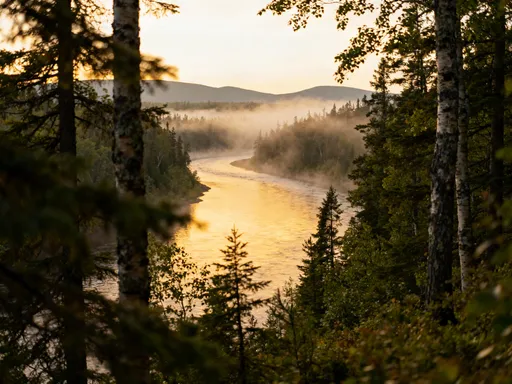
Tasmania is often celebrated for its natural beauty—Cradle Mountain’s jagged peaks, the turquoise waters of Wineglass Bay, the misty silence of its ancient rainforests. But beneath these postcard views lies a cultural depth that surprises even seasoned travelers. While mainland Australia pulses with the energy of global cities, Tasmania moves at a different rhythm—one shaped by isolation, endurance, and deep-rooted connection to place. This island has not been swept up in the relentless pace of urban modernization. Instead, it has preserved traditions not as relics, but as living practices passed from one generation to the next.
The cultural richness of Tasmania is layered, shaped by thousands of years of Aboriginal presence, centuries of colonial history, and the quiet innovation of modern rural communities. The Palawa people, the island’s First Nations, have lived here for over 40,000 years, maintaining a spiritual and physical relationship with the land that continues today. Their knowledge of seasonal cycles, native plants, and sea routes is not history—it’s ongoing. Travelers who take the time to engage with local cultural centers, guided walks, or community events gain access to a worldview that values balance, respect, and stewardship.
Equally significant are the echoes of colonial life that still shape the island’s towns and villages. Stone cottages, historic farmsteads, and 19th-century chapels dot the countryside, not as museum pieces, but as homes, shops, and gathering places. In places like Bothwell or Oatlands, colonial architecture is not preserved behind velvet ropes—it’s part of daily life. This continuity allows visitors to experience history not as a performance, but as a lived reality. Tasmania’s small size and low population density mean that cultural experiences are intimate, not staged. There’s no need for elaborate reenactments when the stories are still being lived.
Choosing Tasmania for a cultural road trip means choosing depth over dazzle. It’s a destination where the journey itself becomes part of the experience—where every turn in the road offers not just a new view, but a new layer of understanding. The island’s relative remoteness, once seen as a barrier, has become one of its greatest strengths, protecting both its ecosystems and its cultural integrity. For travelers seeking authenticity, Tasmania doesn’t offer shortcuts. It asks only that you slow down, pay attention, and listen.
Planning the Route: Balancing Time, Distance, and Meaning
A meaningful cultural journey through Tasmania requires more than just a map—it demands thoughtful planning and realistic expectations. Though the island is smaller than many assume, its roads are often narrow, winding, and subject to sudden weather changes. What looks like a short distance on paper can take hours to cover, especially in rural or mountainous areas. Rushing defeats the purpose. The goal is not to check off landmarks, but to immerse in the rhythm of the place.
A well-paced seven-day loop starting and ending in Hobart offers a balanced introduction to Tasmania’s cultural diversity. Begin by heading northeast along the Tasman Highway, skirting the coastline and passing through quiet farming and fishing communities. From Hobart, the drive to Bicheno takes about two and a half hours, but with stops, it becomes a full morning of discovery. Continue north to St Helens, a hub for the island’s fishing industry, where the smell of salt and diesel lingers in the air, and locals greet each other by name.
From there, the route turns inland toward Launceston, Tasmania’s second-largest city, nestled in the Tamar Valley. This leg passes through the Fingal Valley and the historic village of Campbell Town, home to one of the oldest pubs in Australia and a striking convict-built bridge. After spending time in Launceston, the journey continues westward into the Tarkine region, one of the largest temperate rainforests in the world. This remote area is rich in both natural and cultural heritage, with Aboriginal sites, old-growth forests, and former mining towns that speak to the island’s complex past.
Practical considerations are essential. Renting a compact but comfortable vehicle with GPS and good fuel efficiency is recommended, as mobile phone coverage can be spotty in rural areas. Weather in Tasmania is famously unpredictable—layers are a must, even in summer. Accommodations range from heritage inns and farm stays to eco-lodges and small guesthouses, many of which are family-run and deeply connected to their communities. Booking in advance is wise, especially during peak seasons like autumn, when the changing foliage draws visitors from across the country.
The key to a successful cultural road trip is pacing. Allow time not just for driving, but for lingering—stopping at a roadside stall for fresh apples, chatting with a shopkeeper, or sitting quietly by the water. These unscripted moments often become the most memorable. By planning with intention, travelers can balance distance with depth, ensuring that each day unfolds with meaning rather than haste.
Driving the East Coast: Where Sea, Soil, and Story Connect
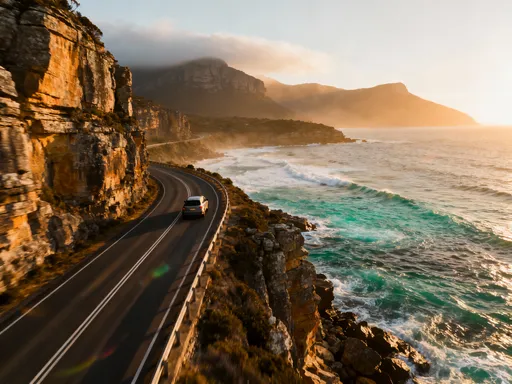
The drive from Hobart to Freycinet National Park is one of Tasmania’s most scenic routes, but its true value lies not just in the views, but in the stories they carry. This stretch of coastline is shaped by the sea—its cliffs worn by wind and waves, its bays sheltering oyster beds and fishing boats. Each town along the way has grown in response to the environment, developing a culture rooted in resilience, self-reliance, and a deep understanding of the natural world.
Triabunna, a small port town, is a gateway to Maria Island and a center for sustainable aquaculture. Here, oyster farming is not just an industry—it’s a way of life. Families have been harvesting shellfish from these waters for generations, using methods that respect tidal patterns and ecosystem balance. Visitors can tour local farms, taste oysters straight from the sea, and learn about the careful monitoring that ensures quality and sustainability. These experiences are not staged for tourists; they are invitations to understand a livelihood that depends on harmony with nature.
Further north, Swansea blends coastal charm with cultural significance. The town’s blowhole, a natural rock formation that shoots seawater into the air during high surf, is more than a geological curiosity—it features in local storytelling, passed down through families who have lived here for decades. At the Swansea Market, held weekly in a community hall, residents sell handmade crafts, preserves, and fresh produce. Conversations flow easily, and newcomers are welcomed with genuine warmth.
One of the most profound cultural experiences on the east coast is engagement with Palawa heritage. Near Bicheno, cultural centers and guided walks offer insight into the traditions, languages, and spiritual beliefs of Tasmania’s First Nations. These programs are often led by Aboriginal educators who share not only history, but lived experience. Visitors learn about shell middens—ancient cooking sites that reveal thousands of years of coastal habitation—and the significance of seasonal migration patterns. The message is clear: culture is not separate from the land. It is shaped by it, sustained by it, and expressed through it.
Driving this coastline, one begins to see how culture emerges from the everyday—the way a fisherman mends his net, the recipe for a grandmother’s apple pie, the stories told around a campfire. These are not performances. They are the quiet, enduring expressions of a community that knows itself through its connection to place.
Hobart to Launceston: From Colonial Past to Creative Present
The central corridor between Hobart and Launceston traces a path through Tasmania’s colonial history and its modern reinvention. This route cuts through rolling farmland, river valleys, and historic villages, each preserving a piece of the island’s evolving identity. Unlike the dramatic wilderness of the west or the coastal simplicity of the east, this region reflects a different kind of cultural depth—one shaped by settlement, industry, and the quiet persistence of tradition.
Richmond, just 25 kilometers northeast of Hobart, is one of the best-preserved colonial villages in Australia. Its sandstone bridge, built by convicts in 1823, still carries traffic today. The nearby gaol, one of the oldest in the country, offers a sobering look at Tasmania’s penal past. Yet Richmond is not frozen in time. Today, it thrives as a cultural hub, with artisan shops selling handcrafted woolens, local honey, and pottery. Tea rooms serve scones with jam and cream in settings that feel both historic and lived-in. The village doesn’t reenact the past—it continues it, blending heritage with daily life.
As the road climbs into the central highlands, the landscape opens into wide pastures and grazing lands. Campbell Town, another historic stop, features a striking collection of colonial buildings and a monument to early settlers. But the cultural narrative here extends beyond the 19th century. The National Automobile Museum, located in a former cinema, tells a different kind of story—one of 20th-century progress and regional change. Its collection of vintage cars, motorcycles, and farming equipment illustrates how transportation transformed rural life, connecting isolated communities and reshaping economies. The museum is run by volunteers, many of whom have personal ties to the vehicles on display, adding a deeply human dimension to the exhibits.
Launceston, the endpoint of this leg, is a city that honors its past while embracing creativity. Nestled at the confluence of the North and South Esk rivers, it combines Georgian architecture with a vibrant arts scene. The Cataract Gorge, just minutes from the city center, is a natural wonder—sheer cliffs, winding paths, and a suspension bridge that spans a deep ravine. But more than a scenic attraction, it is a space of community life. On weekends, locals gather for open-air concerts, food festivals, and storytelling events. The Gorge Conservatory, with its sub-tropical plants and peacocks, feels like a hidden garden, a place of beauty nurtured over decades.
In Launceston, culture is not confined to galleries or theaters. It spills into the streets, markets, and cafes. The city’s annual festivals celebrate music, food, and Indigenous art, drawing participants from across the island. This blend of heritage and innovation makes Launceston a fitting midpoint in a cultural journey—where the weight of history meets the energy of renewal.
The West Coast: Raw Landscapes, Resilient Communities
Western Tasmania is a place of stark beauty and enduring strength. The terrain grows rougher, the weather more unpredictable, and the towns smaller and more isolated. This region, shaped by mining, forestry, and maritime hardship, carries a different kind of cultural identity—one forged through adversity and sustained by community pride. Here, history is not polished for visitors. It is raw, honest, and deeply personal.
Queenstown, perched in a valley surrounded by mountains, is a town defined by copper. From the late 1800s to the mid-20th century, mining dominated life here, leaving behind not only economic legacy but also environmental scars. The hills, stripped of vegetation by smelting, remain red and barren—a visible reminder of industrial intensity. Yet Queenstown is not a place of regret. Residents speak with pride about their ancestors’ labor, their survival through boom and bust, and their ongoing efforts to diversify the local economy.
The Queenstown Heritage and Arts Centre, run by local volunteers, preserves this history with care. Displays include personal letters, mining tools, photographs, and oral histories that bring the past to life. What makes these exhibits powerful is their intimacy—they are not curated by distant institutions, but by people who grew up hearing these stories at the dinner table. Visitors are encouraged to listen, ask questions, and reflect on the human cost and resilience behind industrial progress.
Nearby Strahan, once a remote penal outpost and later a hub for timber and mining, now serves as a gateway to the Tasmanian Wilderness World Heritage Area. The town has embraced its complex past with honesty. Guided walks, often led by descendants of early settlers or former workers, explore the history of Sarah Island and the Macquarie Harbor Penal Station. These tours do not glorify punishment, but seek to understand it—examining the lives of convicts, guards, and local families who lived in isolation on the edge of the known world.
The culture of the west coast is not performative. It does not exist for tourist consumption. Instead, it invites respectful engagement—listening more than speaking, supporting local initiatives, and recognizing that some stories are still unfolding. Travelers who approach this region with humility leave with a deeper appreciation for the strength of small communities and the complexity of history.
Food as Culture: Tasting Tradition One Stop at a Time
In Tasmania, food is more than sustenance—it is memory, identity, and connection. The island’s cool climate, clean air, and fertile soil produce exceptional ingredients, from creamy dairy and crisp apples to succulent seafood and earthy truffles. But what makes Tasmanian food truly cultural is not just its quality, but the way it is grown, shared, and preserved.
At roadside farm gates, handwritten signs offer “fresh cream,” “free-range eggs,” or “homemade jam,” often sold on an honor system. These small exchanges are more than transactions—they are acts of trust and community. The recipes behind these goods are often decades old, passed from mother to daughter, neighbor to neighbor. In Deloraine, a bakery might serve a pie with a filling unchanged since the 1950s. In Penguin, a coastal town known for its annual festival, a local café might feature a cake recipe tied to a family’s Norwegian roots.
Seafood, especially oysters, salmon, and abalone, plays a central role in coastal culture. In St Helens, the Taste of Tasmania festival celebrates the region’s fishing heritage with cooking demonstrations, boat tours, and communal meals. These events are not just about flavor—they are about continuity. Young fishers learn from elders, and traditional methods are honored alongside sustainable practices.
Even in cities like Hobart, food connects people to place. The Salamanca Market, held every Saturday, draws thousands to its rows of stalls selling local cheese, chutney, bread, and crafts. Conversations flow easily between vendors and visitors, and the air is filled with the scent of wood-fired bread and roasting coffee. For many, this market is not just a shopping destination, but a weekly ritual—a place to see friends, hear live music, and feel part of something enduring.
To taste Tasmania is to understand its culture. Every bite carries a story—of land stewardship, family tradition, and quiet innovation. By choosing to eat locally, travelers support small producers and become part of a food culture that values quality, care, and connection.
Traveling Right: How to Be a Respectful Cultural Explorer
Cultural appreciation in Tasmania requires more than curiosity—it requires respect, humility, and intention. This is not a destination where culture is performed for visitors. It is lived, protected, and shared selectively. Travelers have a responsibility to engage in ways that honor, rather than exploit, the communities they encounter.
One of the most important practices is to ask before photographing people, homes, or culturally significant sites. Some locations, especially Aboriginal heritage areas, may be sacred or restricted. Signs may indicate that photography is not permitted—these rules should be followed without question. Similarly, when visiting cultural centers or attending community events, it is best to listen more than speak, to observe with care, and to support local guides and businesses whenever possible.
Supporting Aboriginal-owned enterprises—such as guided tours, art galleries, or food experiences—ensures that cultural knowledge is shared on its own terms. Purchasing authentic Palawa art, for example, directly supports artists and their communities, while also preserving traditional designs and storytelling methods.
Sustainability is another key aspect of respectful travel. Tasmania’s ecosystems are fragile, and its communities value environmental care. Travelers should stick to marked trails, avoid littering, and minimize single-use plastics. Choosing eco-friendly accommodations and participating in clean-up initiatives, when available, demonstrates commitment to the island’s well-being.
Finally, the most meaningful form of respect is presence. Put away the phone, make eye contact, and take time to connect. A simple “thank you” to a shopkeeper, a genuine question to a guide, or a moment of silence at a historic site can speak volumes. When travelers move through Tasmania with care, they do more than see culture—they help preserve it.
Conclusion
A road trip through Tasmania is not measured in kilometers, but in moments of connection. It is in the taste of warm bread from a country bakery, the sound of a storyteller’s voice by the sea, the sight of a mountain reflected in a still lake. This island does not shout its culture—it whispers it, in quiet gestures, enduring traditions, and open-hearted welcomes. By driving slowly, listening deeply, and engaging respectfully, travelers do not just witness this culture. They become temporary stewards of it, carrying its lessons forward.
In a world increasingly shaped by sameness—global chains, digital distractions, fast-paced living—Tasmania stands as a reminder that identity can still be local, lived, and deeply human. The open road here does not lead to escape. It leads to understanding. And sometimes, just sometimes, it leads to a change in how you see the world.