Brisbane’s Secret Skyline: Hidden Urban Gems You’ve Never Seen
Have you ever wandered a city and felt like you’ve only scratched the surface? Brisbane is more than river views and sunshine—it’s a mosaic of overlooked rooftops, tucked-away lanes, and quiet lookouts most tourists miss. I stumbled on these spots by chance, and what I found was a completely different city. This isn’t just about sightseeing—it’s about seeing *differently*. In a world where travel often means checking off landmarks, Brisbane invites a slower, more intuitive way of exploring. Its hidden skyline isn’t marked on maps, but revealed through curiosity, timing, and a willingness to wander without a destination. These secret vantage points offer not just beauty, but a sense of personal discovery that transforms a simple visit into a meaningful experience.
The Allure of Hidden Urban Landscapes
Cities reveal themselves in layers, and the most memorable experiences often come from the places that aren’t in guidebooks. Brisbane, with its subtropical climate and relaxed pace, is a city of quiet contrasts—where modern high-rises rise beside rainforest pockets, and busy streets give way to silent green corridors. The true charm of urban exploration lies not in crowded observation decks, but in those in-between spaces: a narrow alley lined with climbing bougainvillea, a forgotten footpath where the river reflects the skyline like a mirror, or a small park bench facing an unobstructed view of the city at twilight. These are the moments that stay with you, not because they were planned, but because they felt earned.
What makes Brisbane especially rewarding for the curious traveler is its understated nature. Unlike cities that dazzle with constant noise and neon, Brisbane unfolds gently. It reveals itself through subtle cues—the way sunlight filters through fig tree canopies in a hidden courtyard, the distant hum of a ferry cutting through morning mist, or the sudden appearance of a panoramic view from an unmarked staircase. These experiences appeal to those who value authenticity over spectacle. They encourage mindfulness, inviting visitors to slow down, observe, and connect with the rhythm of daily life. This kind of travel isn’t about collecting photos; it’s about collecting feelings.
For many, especially women in the 30–55 age group who may be traveling for personal renewal or family trips, these quiet discoveries offer a sense of peace and empowerment. There’s something deeply satisfying about finding a spot that feels like your own, even in a city of over two million people. These hidden landscapes aren’t just visually striking—they’re emotionally grounding. They remind us that beauty and calm are often found just off the main path, waiting for those who take the time to look.
Rooftop Reveries: Brisbane’s Silent Skyline Sanctuaries
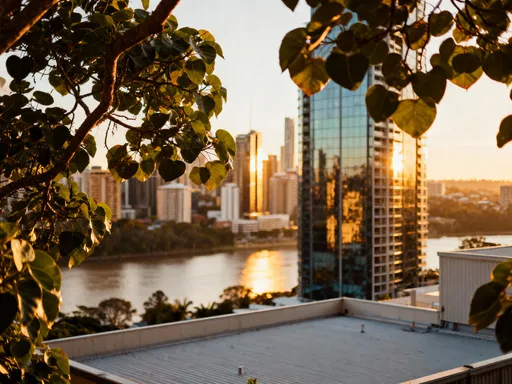
While Mount Coot-tha and South Bank draw the crowds, a more intimate skyline experience awaits on Brisbane’s lesser-known rooftops. These quiet terraces, often part of small cafes, design studios, or mixed-use buildings, offer panoramic views without the tourist traffic. One such location, above a boutique architecture firm in Fortitude Valley, features a semi-public rooftop garden with sweeping views of the CBD and the winding river below. At golden hour, the city glows in warm hues—glass towers catch the fading light, and the Story Bridge becomes a silhouette against the pink-tinged sky. It’s the kind of place you’d never find on a tour, but locals quietly cherish.
Another hidden gem is a small coffee shop on the upper floor of a heritage building in the central business district. With floor-to-ceiling windows and a quiet outdoor balcony, it’s a favorite among remote workers and early risers. From here, you can watch the city awaken—delivery trucks navigating quiet streets, office lights flickering on one by one, and the first ferries gliding across the water. The atmosphere is calm, contemplative, and refreshingly free of commercial hustle. These rooftop sanctuaries aren’t designed for mass tourism; they exist because someone valued light, air, and perspective.
Access to these spaces often comes through word of mouth or simple observation. Some require no more than walking up a few extra flights of stairs or asking a friendly barista if there’s a view from above. They’re not advertised, not because they’re secretive, but because they’re part of everyday life. For the thoughtful traveler, finding one feels like being let in on a quiet secret. And in a world that often feels oversaturated with information, that sense of discovery is priceless. These rooftops don’t just offer skyline views—they offer a moment of stillness, a pause in the rhythm of travel.
River-Edge Secrets: Beyond the Ferry Stops
The Brisbane River is the city’s lifeblood, but most visitors experience it from ferry seats or park benches along the main promenades. To truly appreciate its beauty, one must venture beyond the obvious. Hidden river bends, accessible via quiet trails and underpass walkways, offer intimate perspectives that few ever see. One such path runs beneath the Merivale Bridge, where mangroves lean into the water and the city skyline appears fragmented in the rippling surface. Early in the morning, especially on weekends, this stretch is nearly empty—just the sound of water lapping against roots and the occasional call of a kingfisher.
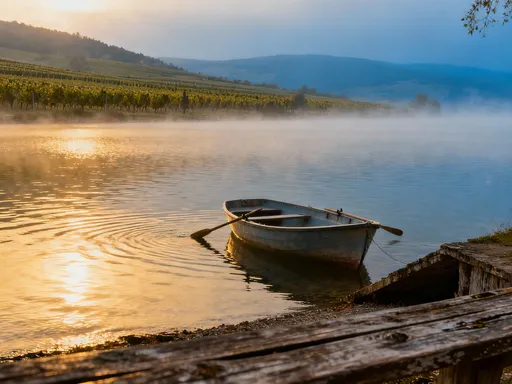
Another secluded spot is a small, unnamed parklet tucked between residential buildings near New Farm. Reached via a narrow footpath lined with ferns and lantana, it features a single bench facing the river, perfectly framed by overhanging trees. At sunrise, the light spills across the water in golden streaks, and the city skyline slowly emerges from the haze. It’s the kind of place where time seems to slow. Visitors who arrive with a thermos of tea or a good book often stay longer than planned, lulled by the gentle rhythm of the river.
These river-edge sanctuaries are especially meaningful for travelers seeking balance—mothers on short getaways, women on solo journeys, or couples looking for quiet connection. They offer space for reflection, away from the demands of itineraries and social media. Unlike crowded parks, these spots feel personal, almost private. They remind us that nature and city life can coexist in harmony, and that some of the best views don’t require climbing or spending money. They simply require showing up early, being patient, and knowing where to look.
Laneways and Forgotten Corners: Street-Level Poetry
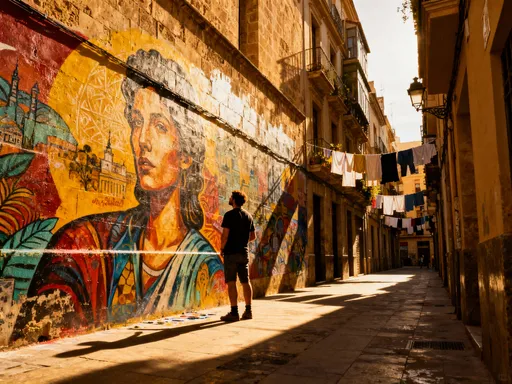
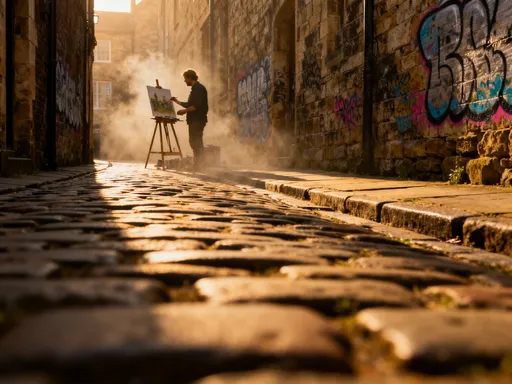
Brisbane’s laneways are where the city’s soul quietly pulses. While main streets buzz with activity, the side alleys of West End, New Farm, and Fortitude Valley reveal a different kind of energy—one rooted in creativity, community, and local life. These are not tourist attractions, but living parts of the city where artists paint murals on brick walls, small businesses thrive behind unmarked doors, and hidden courtyards host quiet morning coffees. One such laneway, off Boundary Street, opens into a vertical garden-covered alcove with a single wooden bench—ideal for a moment of solitude amid urban bustle.
Another favorite is a narrow passage near James Street, where a series of hand-painted signs point to indie bookshops, ceramic studios, and a tiny bakery known for its sourdough and seasonal jams. These spaces aren’t designed for convenience or mass appeal. They exist because someone cared enough to create something personal and meaningful. Walking through them feels like reading a diary written in brick, paint, and plants. There’s a sense of authenticity that can’t be manufactured or replicated in shopping malls.
For travelers, especially those who value culture and craftsmanship, these laneways offer a refreshing contrast to commercial districts. They invite slow exploration—pausing to read a poem stenciled on a wall, chatting with a shop owner about their favorite local walk, or simply sitting on a step to watch the light shift across cobblestones. These moments of connection, though small, often become the highlights of a trip. They remind us that cities are made not just of buildings, but of people, stories, and quiet acts of care.
Elevated Walks and Hidden Staircases
For those who enjoy movement with a view, Brisbane’s network of elevated walkways and staircases offers some of the most rewarding urban exploration. The Kangaroo Point Cliffs are well-known, but fewer people use the quieter access points that avoid the main tourist flow. A steep, tree-lined staircase near Thornton Street, for example, leads to a secluded platform where the Story Bridge stretches across the river like a steel ribbon. From here, the city unfolds in layers—high-rises, parklands, waterways—all connected by the quiet hum of early morning.
Another lesser-known route is the pedestrian bridge connecting Teneriffe to the CBD, which offers a low-traffic alternative to busy roads. Midway across, there’s a small viewing area where you can pause and watch cargo ships glide downstream or cyclists weave along the river path. The experience is both dynamic and peaceful—a reminder that cities are living, breathing entities. These elevated paths combine light exercise with visual reward, making them ideal for travelers who want to stay active while soaking in the scenery.
Dusk is the best time to walk these routes. As the sun sets, the skyline lights up gradually—first the office towers, then the bridges, then the residential windows. It’s a slow transformation, like the city putting on a robe of light. For many visitors, especially those traveling alone or seeking inspiration, this time of day offers a sense of clarity and calm. The elevated vantage points don’t just show the city—they help you understand its rhythm, its balance of motion and stillness.
Balancing Discovery with Respect
While the search for hidden views is exciting, it must be done with care and respect. Many of Brisbane’s most beautiful spots are within residential neighborhoods, conservation areas, or private properties with public access. Trespassing, leaving trash, or disturbing quiet streets undermines the very experience we seek. The most meaningful discoveries are made by visitors who move gently, listen closely, and leave no trace. Locals notice—and appreciate—those who treat their city with kindness.
Simple actions make a difference: staying on marked paths, keeping noise levels low, and avoiding littering. These aren’t just rules; they’re part of a shared responsibility to preserve the city’s hidden beauty for future visitors. Brisbane’s charm lies in its authenticity, and that authenticity depends on mutual respect between residents and travelers. When we honor that balance, we don’t just enjoy the city—we become part of its story.
For family travelers and women traveling independently, this mindful approach also enhances safety and comfort. Quiet exploration doesn’t mean risky exploration. Sticking to public spaces, visiting during daylight, and being aware of surroundings ensures that the experience remains positive and enriching. The goal isn’t to find the most remote spot, but to find a moment of connection—with the city, with nature, and with oneself.
Crafting Your Own Urban Journey
Finding Brisbane’s hidden skyline isn’t about following a map or checking off a list. It’s about cultivating a mindset of curiosity and presence. Put the phone away. Look up at the gaps between buildings where sky and treetops meet. Look down at the patterns in old pavement. Step into a small bookstore and ask the owner where they go to escape the city—even though they’re already in it. Some of the best views come from conversations, not coordinates.
One traveler discovered a sunlit reading nook in the State Library with floor-to-ceiling windows facing the river—perfect for an hour of quiet reflection. Another found a community garden in Paddington with a bench that offered a postcard-perfect view of the city, shared only with a few gardeners. These aren’t famous spots, but they become unforgettable because they were found, not assigned. They carry the weight of personal meaning.
For women who travel to recharge, reconnect, or simply see something new, these moments of discovery are deeply nourishing. They remind us that adventure doesn’t always require distance—it can be found around the corner, up a staircase, or down a quiet lane. Brisbane rewards those who wander with intention, who are willing to move slowly and look closely. And in doing so, it offers more than views—it offers a renewed sense of wonder.
In the end, Brisbane’s true skyline isn’t just what you see from Mount Coot-tha or a river cruise. It’s the sum of quiet moments: the hush of a hidden garden, the golden glow on a rooftop at dusk, the reflection of towers in still water. It’s found in the spaces between the sights, in the silence, in the unplanned detour. By stepping off the beaten path, we don’t just see the city differently—we see ourselves differently. So next time you’re in Brisbane, look beyond the postcards. The real magic isn’t in the landmarks. It’s in the stillness, the surprise, and the quiet joy of finding something no one told you to find.