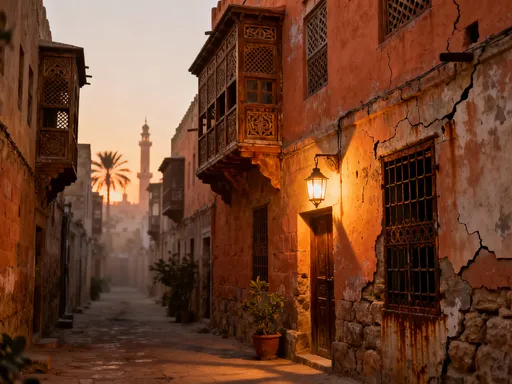
Taste of Karachi: Where Streets Sizzle with Soul
Karachi isn’t just Pakistan’s largest city—it’s a flavor explosion waiting to be discovered. I never expected such culinary fire from a place so misunderstood. From smoky grills on side streets to fragrant biryanis passed down for generations, every bite tells a story. This is food with soul, passion, and history. If you’re craving real, raw, unforgettable tastes, Karachi’s street kitchens might just blow your mind.
The Pulse of Karachi’s Food Culture
Karachi’s food culture is a living chronicle of movement, memory, and resilience. As the country’s most populous city, it has grown from waves of migration—especially after the 1947 Partition—when families from across the Indian subcontinent settled here, bringing recipes woven into their identities. The city became a mosaic of communities: Muhajirs from Uttar Pradesh and Gujarat, Sindhis from the riverbanks of the Indus, Pashtuns from the northern highlands, Baloch from the arid west, and others from Iran and Central Asia. Each group carried its own flavors, techniques, and rituals, and over time, these traditions found new life in Karachi’s bustling lanes and alleys.
Food in Karachi is not just sustenance—it’s rhythm. It marks the hours of the day, from steaming cups of milky chai served at dawn to late-night plates of spicy nihari enjoyed after prayers or long shifts. Morning begins with the clatter of steel tumblers and the scent of ginger-infused tea at corner stalls, where laborers, students, and shopkeepers gather for warmth and conversation. By midday, the air thickens with the aroma of slow-cooked lentils, tandoor bread, and simmering meat curries. Evenings transform into feasts, especially on weekends, when families spill out onto sidewalks to share platters of biryani or freshly grilled kebabs under flickering neon signs.
What sets Karachi’s food scene apart is its authenticity, which thrives not in polished restaurants but in informal, often unmarked settings. These humble spaces—wooden carts, roadside dhabas, and family-run stalls—operate on trust, tradition, and taste. They are immune to trends, untouched by the pressures of branding or influencer culture. Here, success is measured not by Instagram likes but by the number of loyal customers who return day after day, year after year. The lack of pretense allows the food to speak for itself, and it speaks loudly, with bold spices, deep aromas, and textures that linger in memory.
Street Food Hotspots: Flavor in the Chaos
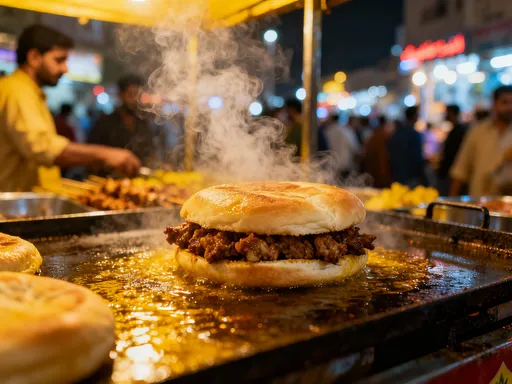
To experience Karachi’s street food at its most vibrant, one must wander its legendary food corridors. Tariq Road, once a colonial-era boulevard, now pulses with life after dark, transforming into a pedestrian paradise of sizzling grills and fragrant spice stalls. Burns Road, perhaps the most famous culinary strip in the city, comes alive at night with crowds spilling onto the pavement, drawn by the promise of crisp bun kebabs, smoky boti rolls, and steaming bowls of paya. Soldier Bazaar, another hotspot, offers a more local, less touristy experience, where generations of families gather for late-night snacks and gossip over plates of spicy chaat and freshly fried samosas.
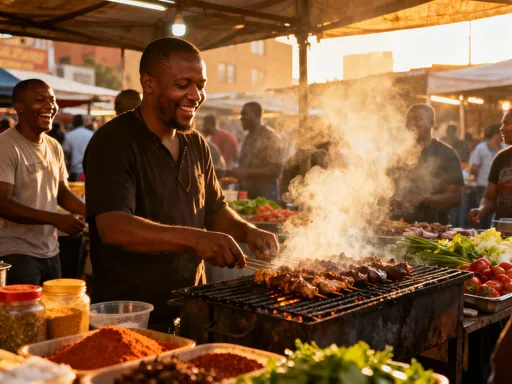
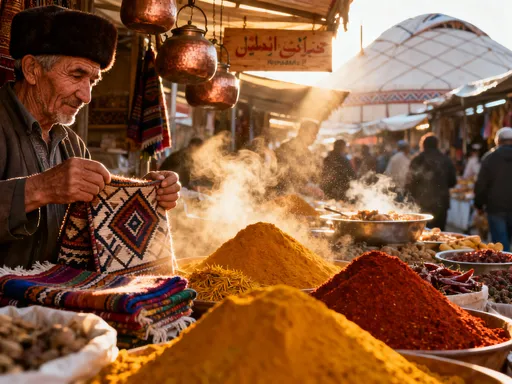
The sensory experience of these streets is unforgettable. The air hums with the crackle of meat hitting hot grills, the rhythmic pounding of spices in wooden mortars, and the constant chatter of vendors calling out specials. Smoke curls upward from charcoal braziers, mingling with the scent of cumin, coriander, and roasted chilies. Brightly lit carts display pyramids of golden samosas, trays of glistening kebabs, and vats of simmering lentils. Customers stand shoulder to shoulder, balancing paper plates and steel bowls, laughing, debating, and sharing bites. It’s chaotic, yes—but it’s a beautiful chaos, one rooted in community and shared pleasure.
For visitors, concerns about hygiene are natural, but observation reveals a different story. Many of the most popular stalls have operated for decades, some for over half a century, and their longevity is a testament to consistent quality and cleanliness. Locals know which vendors use fresh ingredients, change their oil regularly, and handle food with care. Stainless steel utensils are common, and many stalls have visible hand-washing stations. The trust placed in these vendors is not blind—it’s earned through time, transparency, and taste. A long line is not just a sign of popularity; it’s a sign of safety. When hundreds of people eat from the same cart every night, and no one falls ill, you begin to understand the unspoken standards at play.
Must-Try Dishes: Beyond the Ordinary
No visit to Karachi is complete without tasting its iconic dishes, each one a chapter in the city’s culinary history. The bun kebab, arguably Karachi’s most beloved street snack, is a perfect introduction. A soft, slightly sweet bun is split and toasted, then layered with a spiced beef patty, sliced onions, tangy chutney, and a squeeze of lemon. Simple in construction but profound in flavor, it balances richness, acidity, and heat in a single bite. Best eaten fresh off the grill, it’s a morning staple for students and workers alike.
Nihari, a slow-cooked stew of beef or mutton shank, is another cornerstone of the city’s food identity. Traditionally served for breakfast, it’s simmered overnight with bone marrow, ginger, garlic, and a blend of warm spices like cardamom, cinnamon, and cloves. The result is a velvety, deeply savory broth with tender, falling-off-the-bone meat. It’s often garnished with fresh coriander, ginger matchsticks, and a squeeze of lemon, then paired with flaky paratha or naan. On cold mornings, nihari shops fill with people savoring every spoonful, their faces lit by the steam rising from their bowls.
Haleem, a dense porridge of wheat, barley, lentils, and meat, is especially cherished during Ramadan. It requires hours of pounding and stirring to achieve its signature thick, creamy texture. Each city in Pakistan has its version, but Karachi’s stands out for its generous use of ghee, saffron, and fried onions. Served hot with a side of sliced green chilies and lemon, it’s a nourishing meal that sustains worshippers through long fasts. Seekh kebabs, skewers of finely minced meat seasoned with herbs and grilled over charcoal, are another must-try. Their smoky exterior and juicy interior make them irresistible, especially when wrapped in naan with onions and chutney.
Sindhi biryani, distinct from its Mughlai cousin, is a celebration of layered flavors. Basmati rice is cooked with marinated meat, potatoes, and a blend of spices, then layered and slow-steamed to allow the aromas to meld. What sets it apart is the use of dried plums or apricots, which add a subtle sweetness, and a final drizzle of saffron milk. It’s a dish of generosity, often served at weddings and family gatherings, and in Karachi, it’s prepared with a local touch—sometimes spicier, always heartier.
Hidden Gems: Family-Run Eateries Off the Radar
Beyond the famous streets lie the city’s true treasures: unassuming, family-run eateries that have never advertised but are packed every night. These places often lack signage, operating under names like “Uncle’s Shop” or “The Corner Stall,” known only by reputation. They are passed down through generations, with recipes guarded like heirlooms. One such spot, tucked away in a residential lane in Liaquatabad, serves a version of daal chawal—lentils with rice—that locals swear by. It’s not fancy, but the lentils are cooked to perfection, with just the right balance of turmeric, cumin, and red chili, and served with a side of crisp papad and yogurt.
Another hidden gem in North Karachi specializes in Balochi sajji, a whole lamb marinated with salt and slow-roasted over an open fire. The meat is tender, smoky, and served with a simple flatbread and a salad of onions and tomatoes. There’s no menu, no waiter—just a man behind the counter who knows everyone by name and hands you a plate when your order is ready. These places thrive on consistency, not innovation. They don’t change their recipes because their customers don’t want them to. A deviation in spice or cooking time would be noticed immediately, and loyalty is too valuable to risk.
What makes these eateries remarkable is not just their food but their role in the community. They are gathering places, where neighbors meet, news is shared, and traditions are upheld. They represent a form of culinary integrity that is increasingly rare in a world of fast trends and digital marketing. For the traveler willing to venture beyond the guidebook, these spots offer a deeper connection—to the food, to the people, and to the quiet dignity of everyday life in Karachi.
Seafood by the Arabian Coast
Karachi’s position on the Arabian Sea gives it a distinct advantage: access to some of the freshest seafood in South Asia. Every morning, fishing boats return to Karachi Fish Harbour, unloading their catch—kingfish (surmai), pomfret, prawns, lobster, and crab—onto the docks. Within hours, much of it is transported to markets and kitchens across the city, ensuring that seafood dishes are prepared with fish that was swimming just a day before.
One of the most beloved preparations is malai tikka, a rich, creamy marinade of yogurt, cream, cashew paste, and mild spices applied to chunks of surmai or pomfret, then grilled over charcoal. The result is a tender, aromatic dish with a golden crust and a delicate flavor that highlights the fish’s natural sweetness. Another favorite is karahi, a fiery stew cooked in a wok-like pan with tomatoes, green chilies, ginger, and garlic. When made with prawns or lobster, it becomes a luxurious meal, best enjoyed with naan to soak up the spicy gravy.
For an authentic seaside experience, visitors should head to Clifton or Seaview, where open-air restaurants line the coast. These eateries, often simple in structure with plastic chairs and checkered tablecloths, offer more than food—they offer atmosphere. Diners sit just meters from the waves, feeling the cool sea breeze, listening to the crash of water, and watching the sunset paint the sky in hues of orange and purple. Meals here are leisurely, shared among family and friends, with platters of grilled fish, fried calamari, and spicy crab claws arriving in succession. It’s a reminder that in Karachi, dining is not just about eating—it’s about being present, connected, and alive.
Sweet Endings: From Rabri Phirni to Jalebi
No meal in Karachi is truly complete without something sweet. The city’s dessert culture is rich and varied, rooted in celebration, hospitality, and seasonal rhythms. One of the most cherished treats is rabri phirni, a slow-cooked rice pudding made with milk, sugar, and cardamom, then chilled and served in earthenware cups. Its texture is creamy yet grainy, with a delicate floral aroma. It’s often topped with slivered almonds, pistachios, and a dusting of saffron, making it a favorite during weddings and Eid celebrations.
Gajar ka halwa, a dessert made from grated carrots slow-cooked in milk and ghee, is another seasonal favorite, especially in winter. The carrots are simmered for hours until they dissolve into a thick, fragrant paste, then sweetened and enriched with nuts. Served warm, often with a scoop of vanilla ice cream on the side, it’s comfort in a bowl—a dish that evokes childhood memories and family gatherings. Jalebi, the bright orange, coiled syrup-soaked pastry, is a daily indulgence. Freshly fried and still warm, it crackles between the teeth before melting into a sweet, sticky embrace. It’s commonly eaten for breakfast with a cup of hot milk or paired with spicy savory dishes like samosas for a contrast of flavors.
Some sweet shops have achieved legendary status. A decades-old shop in Saddar, for instance, is famous for its double-ka-meda, a rich, layered bread pudding soaked in rose-scented syrup and baked until golden. People line up for blocks just before Eid to take boxes home for their families. These sweets are more than confections—they are symbols of generosity, joy, and the deep cultural value placed on sharing food with others.
Navigating the Food Scene: Practical Tips for Visitors
For first-time visitors, Karachi’s food scene can be overwhelming—but with a few practical tips, it becomes an accessible and rewarding adventure. The best time to explore is in the evening, when the heat of the day fades and the streets come alive. Start with well-known, long-standing stalls in areas like Burns Road or Tariq Road, where popularity is a sign of both quality and safety. Don’t be afraid to ask locals for recommendations—Karachiites are generally warm and proud of their city’s cuisine.
Hygiene remains a priority. Stick to vendors who use bottled or boiled water, avoid ice unless you’re sure of its source, and carry hand sanitizer. Eat cooked-to-order food whenever possible, as freshly grilled or fried items are less likely to carry bacteria. Most street food is affordable—meals often cost just a few dollars—so you can sample widely without overspending. Keep small bills on hand, as most vendors operate on a cash-only basis and may not have change for large notes.
When ordering, don’t hesitate to ask for less spice if you’re not accustomed to heat. While Karachi’s food is known for its bold flavors, many vendors are happy to adjust. Pair spicy dishes with raita (yogurt with cucumber and mint) or a lassi (a yogurt-based drink) to cool the palate. And remember: eating slowly is part of the experience. Sit down, observe the surroundings, savor each bite. This is not fast food in the global sense—it’s food meant to be enjoyed, shared, and remembered.
Conclusion: More Than a Meal—A Cultural Journey
To eat in Karachi is to understand it. Behind every dish is a story of migration, adaptation, and perseverance. The city’s food is not just about flavor—it’s about identity, community, and the quiet dignity of everyday life. It reflects a place that has faced challenges but continues to thrive, one meal at a time. The warmth of a vendor who remembers your order, the laughter around a shared platter, the comfort of a familiar taste in an unfamiliar place—these are the moments that define the true spirit of Karachi.
Travelers often arrive with preconceptions, shaped by headlines that focus on size, noise, or complexity. But those who take the time to explore its streets, to sit at a roadside dhaba, to taste the food with an open mind, discover something deeper: a city of generosity, resilience, and soul. Karachi’s cuisine is an invitation—to connect, to learn, to be human. It doesn’t ask for admiration; it offers nourishment, in every sense of the word. So if you ever find yourself here, don’t just pass through. Stop. Order a bun kebab. Sip some chai. Let the flavors guide you. Because in Karachi, every bite is a bridge to belonging.