Seoul’s Skyline & Shopping Spree: Where City Views Meet Retail Therapy
Walking through Seoul, I never expected skyscrapers and street markets to blend so perfectly. One minute you're gazing at panoramic cityscapes from Namsan Tower, the next you're diving into neon-lit alleys packed with fashion steals. The city’s rhythm pulses through its urban design and shopping culture. This is more than retail—it’s an immersive experience where every district tells a story through style, light, and life. Seoul strikes a rare balance between the monumental and the intimate, where high-rise vistas coexist with ground-level discovery. For travelers seeking both visual inspiration and sensory engagement, the city offers a journey that satisfies the eyes, the heart, and the shopping bag.
The Urban Pulse: Seoul as a Living Canvas
Seoul is not a city frozen in time, nor is it one that has erased its past in pursuit of modernity. Instead, it thrives on a dynamic interplay between heritage and innovation. Towering glass skyscrapers rise beside centuries-old palaces like Gyeongbokgung and Changdeokgung, creating a visual dialogue that defines the city’s identity. This coexistence is not accidental but deeply intentional, reflecting South Korea’s ability to honor tradition while embracing rapid technological and architectural advancement. The skyline tells a story of resilience and reinvention, where every new structure stands as a testament to progress without overshadowing the quiet dignity of the old.
Districts such as Gangnam and Yeouido showcase the city’s vertical ambition, with clusters of high-rises that shimmer at night like illuminated beacons. These areas are hubs of commerce and culture, where business towers double as observation decks and cultural centers. Yet, just a short subway ride away, neighborhoods like Bukchon Hanok Village and Seochon preserve the charm of narrow alleys and low-rise traditional homes. These areas offer a slower pace, where wooden gates and tiled roofs stand in quiet contrast to the steel and glass elsewhere. This duality is not a contradiction but a carefully curated balance, allowing visitors to experience both the energy of a global metropolis and the serenity of a historical enclave.
What makes Seoul’s urban design truly exceptional is its attention to human scale. Even in the busiest districts, thoughtful details elevate the experience—rooftop gardens nestled between office buildings, elevated walkways lined with flowering trees, and public art installations integrated into transit stations. The city’s planners have prioritized not just efficiency but beauty, ensuring that movement through the city feels like a curated journey rather than a mere commute. Bridges across the Han River are lit nightly in dynamic color displays, transforming the waterway into a living canvas. Parks like Namsan and Olympic Park provide green respites where families stroll, children play, and couples pause to admire the view. This harmony between nature, architecture, and daily life makes Seoul a city that feels alive at every level.
Shopping as Urban Expression
In Seoul, shopping is far more than a transaction—it is a form of cultural expression woven into the fabric of the city. Retail spaces are designed not just to sell products but to tell stories, evoke emotions, and engage the senses. From the grandeur of luxury malls to the vibrancy of street markets, every shopping environment reflects a distinct facet of Seoul’s identity. The city’s approach to retail is holistic, treating storefronts as extensions of public space and commerce as a shared experience. This philosophy transforms shopping from a chore into an adventure, one that unfolds naturally as you move through the urban landscape.
In districts like Cheongdam-dong and Apgujeong, high-end boutiques line tree-shaded avenues, their minimalist facades exuding quiet sophistication. These stores often resemble art galleries, with carefully curated window displays and interiors that emphasize space, light, and texture. Brands like Gentle Monster and Amorepacific use their flagship locations to create immersive experiences—Gentle Monster’s flagship in Cheongdam, for instance, regularly transforms its interior into themed installations, from futuristic ice caves to surreal dreamscapes. These spaces invite visitors not just to browse but to explore, making shopping feel like a form of cultural tourism.
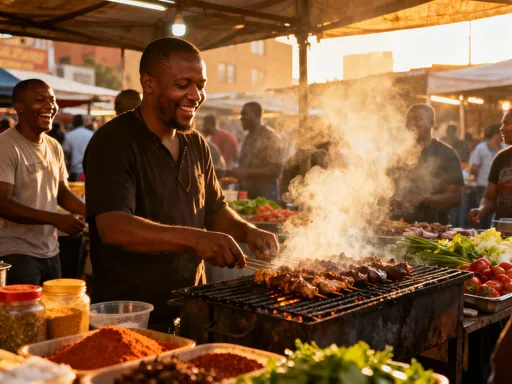
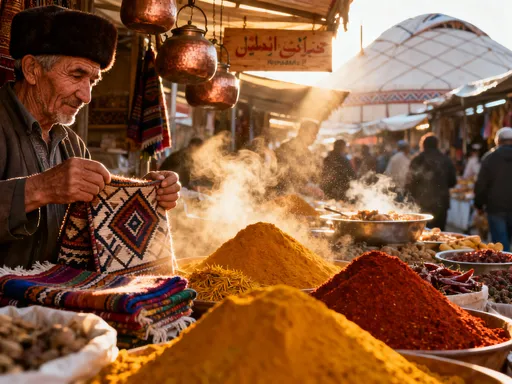
At the other end of the spectrum, bustling street markets like Namdaemun and Gwangjang bring energy and accessibility to retail. Here, the focus is on human connection—vendors call out greetings, shoppers haggle with friendly persistence, and the scent of sizzling food mingles with the aroma of fresh textiles. These markets are not relics of the past but thriving ecosystems where generations gather to buy, sell, and socialize. What unites these diverse shopping environments is their integration into the city’s daily rhythm. Malls like Lotte World Mall and COEX are not isolated destinations but interconnected nodes, linked to subway stations, parks, and cultural venues. This seamless integration ensures that shopping is never an interruption but a natural extension of urban life.
Myeongdong: Where Energy Meets Aisle After Aisle
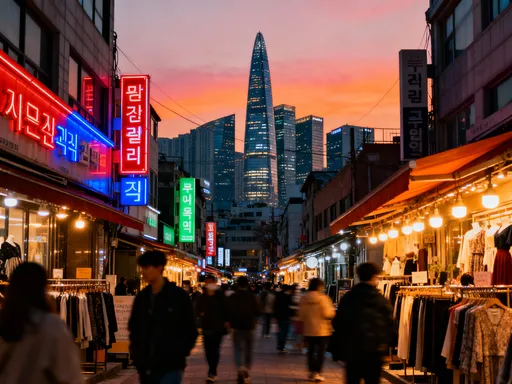
Myeongdong is the beating heart of Seoul’s shopping culture, a place where energy, variety, and excitement converge in a dazzling display. Known as the city’s premier shopping district, Myeongdong attracts millions of visitors each year, drawn by its dense concentration of beauty shops, fashion boutiques, and street food stalls. The area’s compact layout amplifies its intensity—within a few blocks, you can sample skincare products from dozens of brands, try on the latest K-fashion trends, and snack on everything from spicy tteokbokki to freshly grilled cheese-filled sausages. The experience is immersive, fast-paced, and deeply satisfying for anyone who loves to explore with all five senses.
One of Myeongdong’s most striking features is its verticality. Skyscrapers rise on either side of the narrow streets, their exteriors covered in massive LED screens that pulse with color and music. These digital displays often sync with promotions inside the stores, creating a unified sensory experience that feels almost theatrical. At night, the district transforms into a glowing spectacle, where light, sound, and movement create an atmosphere of celebration. Street performers add to the energy, playing music, dancing, or offering impromptu magic shows that draw crowds and spark joy. In this environment, shoppers are not passive consumers but active participants in a living urban performance.
Beauty shopping dominates Myeongdong, with flagship stores for brands like Innisfree, Etude House, and The Face Shop offering generous samples, mini-makeovers, and exclusive gifts with purchase. Korean skincare is renowned for its innovation and attention to detail, and Myeongdong is the perfect place to experience it firsthand. Whether you’re searching for a hydrating sheet mask, a brightening serum, or a cushion compact, the options are endless—and the staff are trained to guide you with patience and care. Many stores offer multilingual service, making it easy for international visitors to navigate the vast array of products. The emphasis is not just on selling but on educating, ensuring that every shopper leaves feeling informed and empowered.
Dongdaemun Design Plaza: Architecture That Sells the Experience
Rising like a futuristic sculpture from the heart of Seoul, the Dongdaemun Design Plaza (DDP) is a landmark that redefines what a shopping destination can be. Designed by the late architect Zaha Hadid, the DDP is a masterpiece of fluid, curving forms that seem to defy gravity. Its reflective aluminum surface shimmers in daylight and glows at night, transforming the building into a dynamic presence on the skyline. More than just an architectural marvel, the DDP is a cultural hub that blends design, fashion, and commerce in a way that feels both innovative and deeply rooted in Seoul’s creative spirit.
Inside, the DDP houses exhibition halls, design studios, and retail spaces that showcase the best of Korean innovation. The complex is home to the Dongdaemun Market, one of the largest 24-hour shopping areas in the city, where wholesalers and independent designers sell fabrics, accessories, and ready-to-wear fashion. Unlike traditional markets, this space is organized with clarity and modern amenities, making it easy to navigate even during peak hours. The night market, in particular, is a highlight—when the sun sets, the DDP becomes a glowing centerpiece, with lighting installations that enhance its otherworldly form. Shoppers wander through illuminated alleys, browsing unique garments and handmade accessories, while DJs spin music and food trucks serve warm late-night snacks.
What sets the DDP apart is its commitment to experience over mere consumption. Fashion shows, design competitions, and art installations are regularly hosted within the complex, turning shopping into a cultural event. Visitors might stumble upon a student exhibition featuring avant-garde textiles or a pop-up shop selling limited-edition collaborations between local artists and global brands. The DDP is not just a place to buy things—it is a place to be inspired. For the 30- to 55-year-old traveler, especially those who appreciate design and craftsmanship, the DDP offers a sophisticated yet accessible experience that lingers in memory long after the trip ends.
Gangnam’s Polished Playground
If Myeongdong is the city’s energetic core, Gangnam is its polished counterpart—a district that exudes confidence, elegance, and modern luxury. Made famous by a global hit song, Gangnam is more than a cultural reference; it is a meticulously planned urban environment where wide boulevards, sleek high-rises, and high-end amenities create a sense of order and aspiration. This is a district designed for comfort and convenience, where shopping is not rushed but savored, and every detail is curated for maximum appeal.
At the heart of Gangnam’s retail scene is Starfield COEX Mall, one of the largest underground shopping complexes in Asia. Spanning multiple levels, COEX connects seamlessly with the subway, making it easy to access from anywhere in the city. Inside, the mall feels like a self-contained world—luxury brands, international retailers, gourmet food halls, and entertainment venues coexist under one vast roof. The Starfield Library, located in the center of the mall, is a breathtaking space with floor-to-ceiling bookshelves arranged in a celestial pattern, inviting visitors to pause and reflect amidst the shopping frenzy. This blend of culture and commerce is emblematic of Seoul’s approach: even in a commercial space, beauty and intellect are given room to thrive.
Gangnam’s shopping experience is more refined than frenetic. Boutiques in Apgujeong and Sinsa-dong offer curated selections of designer fashion, with personalized service and quiet interiors that encourage thoughtful browsing. Concept stores like Boon the Shop and 10 Corso Como Seoul bring together fashion, art, and lifestyle products in spaces that feel more like galleries than retail outlets. These destinations appeal to those who value quality over quantity, seeking pieces that reflect individuality and taste. Yet, even in this polished environment, hidden alleys reveal indie designers, vintage shops, and cozy cafés, proving that Seoul never loses its love for discovery. The skyline here may be sleek, but the soul remains warm and inviting.
Navigating the City: How to Move Like a Local
One of Seoul’s greatest strengths is its efficiency, particularly when it comes to transportation. The city’s subway system is clean, reliable, and remarkably easy to navigate, even for first-time visitors. With nine lines covering every major district, the subway connects shopping destinations with precision, allowing travelers to move seamlessly from Myeongdong’s bustling streets to Hongdae’s youthful energy or Insadong’s traditional charm. Stations are well-lit, signs are bilingual, and real-time digital maps help prevent confusion, making it simple to plan routes and track arrivals.
For shoppers, the subway is more than just a way to get around—it is an extension of the retail experience. Underground arcades link stations to malls, department stores, and markets, allowing you to shop and travel without ever stepping outside. This is especially valuable during extreme weather, whether it’s the summer heat or winter cold. The T-money card, a rechargeable smart card, simplifies travel by working across subways, buses, and even taxis. With a single tap, you can transfer between modes of transport, making multi-stop shopping itineraries smooth and stress-free.
Walking is another essential part of experiencing Seoul. The city is surprisingly walkable, with wide sidewalks, pedestrian zones, and elevated walkways that make strolling both safe and enjoyable. In districts like Gangnam and Yeouido, sky bridges connect buildings and malls, offering elevated views of the city while keeping you sheltered from traffic and weather. Even in dense areas, public restrooms, water fountains, and seating areas are plentiful, ensuring comfort throughout the day. For the 30- to 55-year-old traveler, especially those traveling with family or friends, this level of accessibility and convenience enhances the entire experience, allowing more time for enjoyment and less for logistical stress.
Beyond the Purchase: Why Seoul’s Retail Landscape Stays Memorable
What ultimately sets Seoul apart is not the quantity of things you can buy, but the quality of the experience surrounding each purchase. The city has mastered the art of emotional resonance in retail, where lighting, music, layout, and service are all designed to create moments of delight. Whether it’s the warmth of a small hanbok shop where an elderly owner shares the history of traditional patterns, or the thrill of a midnight sale at a department store where crowds cheer as discounts are announced, these memories stay with you long after the shopping bags are unpacked.
Seoul teaches us that retail, when thoughtfully integrated with urban design and culture, becomes a form of storytelling. Each district has its own narrative—Myeongdong speaks of energy and accessibility, Gangnam of aspiration and elegance, Dongdaemun of creativity and innovation. These stories are not told through brochures or advertisements but through lived experience, through the feel of a silk scarf, the scent of roasting sweet potatoes, the glow of a skyline at dusk. For the traveler, especially one seeking both beauty and meaning, Seoul offers a journey that nourishes the spirit as much as the wardrobe.
Ultimately, the city invites us to see shopping not as a transaction, but as a way of connecting—with culture, with place, with ourselves. It reminds us that the best moments of travel often happen in between destinations, in the quiet pause before entering a store, in the shared smile with a vendor, in the unexpected discovery around a corner. Seoul’s skyline may be made of steel and glass, but its soul is woven from human moments. And that is something no souvenir can fully capture—but everyone who visits carries home in their heart.