How I Beat Constant Fatigue with Real Food—No Hype, Just Results
Ever feel tired no matter how much you sleep? I did—until I stopped chasing quick fixes and started listening to my body. It wasn’t magic pills or extreme diets, but simple, science-backed food choices that changed everything. Fatigue isn’t just about rest; it’s often about fuel. What you eat directly impacts your energy levels, focus, and mood. This is the real story of how adjusting my plate—not my hustle—gave me lasting vitality. The shift wasn’t dramatic overnight, but through consistent, thoughtful changes, I reclaimed my days. No gimmicks, no expensive supplements—just real food doing what it was meant to do: power a life fully lived.
The Hidden Link Between Food and Fatigue
Fatigue is one of the most common complaints among adults, especially women in their 30s to 50s who juggle family, work, and personal responsibilities. Many assume exhaustion comes from not sleeping enough or doing too much. While lack of rest and high stress play roles, an overlooked culprit is diet. What you eat—or don’t eat—has a profound effect on how energized you feel throughout the day. It’s not just about calorie intake; it’s about the quality of those calories and how your body processes them. Energy isn’t generated in a vacuum. It’s produced at the cellular level, primarily in the mitochondria, often called the “powerhouses” of the cell. These tiny structures rely on specific nutrients to convert food into usable energy. When your diet lacks those nutrients or floods your system with unstable fuel sources, your mitochondria struggle, and fatigue sets in.
Blood sugar regulation is another key factor. Meals high in refined carbohydrates—like white bread, sugary cereals, or processed snacks—cause a rapid spike in blood glucose. In response, the body releases insulin to bring those levels back down. But too much insulin can drop blood sugar too quickly, leading to what’s commonly known as a “crash.” This leaves you feeling sluggish, irritable, and craving more sugar—an exhausting cycle that repeats daily. Over time, this pattern can contribute to insulin resistance, a condition linked not only to type 2 diabetes but also to chronic fatigue. The body may be getting plenty of calories, but if those calories come from low-nutrient sources, essential systems run on empty.
Nutrient gaps are surprisingly common, even among those who believe they eat well. Modern diets often lack diversity, relying heavily on processed foods stripped of vitamins and minerals during manufacturing. For example, iron, magnesium, and B vitamins—critical for energy metabolism—are frequently under-consumed. A diet low in protein can also impair energy, as amino acids are needed to build enzymes and hormones involved in alertness and focus. Additionally, skipping meals or eating irregularly disrupts metabolic rhythm, making it harder for the body to maintain steady energy. The solution isn’t to eat more, but to eat better—choosing foods that provide sustained fuel and the micronutrients your body actually needs.
Why Quick Energy Fixes Backfire
When fatigue hits, it’s tempting to reach for a quick pick-me-up—a cup of coffee, a soda, or a candy bar. These solutions offer an immediate burst of alertness, but the relief is short-lived. Caffeine blocks adenosine, a brain chemical that promotes sleepiness, creating a temporary sense of wakefulness. However, once the caffeine wears off, the accumulated adenosine floods back, often making you feel even more tired than before. Pair that with a sugar rush from a pastry or energy drink, and you set the stage for a dramatic energy crash. This rollercoaster effect doesn’t just leave you drained—it can disrupt your natural energy rhythms over time.
The science behind this cycle is straightforward. Simple carbohydrates and added sugars are rapidly digested, causing blood glucose to spike. The pancreas responds by releasing a large amount of insulin. While insulin helps cells absorb glucose for energy, an overabundance clears the bloodstream too quickly. This leads to hypoglycemia, or low blood sugar, which triggers symptoms like fatigue, brain fog, shakiness, and irritability. Many people misinterpret these signs as hunger, prompting them to eat more refined carbs, restarting the cycle. This pattern is especially common in the mid-afternoon, when energy naturally dips due to circadian rhythms. A lunch of white pasta, a sandwich on refined bread, or a salad drenched in sugary dressing can worsen the slump instead of preventing it.
Overreliance on stimulants and processed foods can also dull your body’s natural energy signals. When you constantly override fatigue with external boosts, you lose touch with your body’s true needs. You may begin to believe you need caffeine to function, when in reality, your body is signaling a need for rest, hydration, or nutrient-dense food. Additionally, chronic blood sugar fluctuations can strain the adrenal glands and disrupt sleep quality, further compounding fatigue. The result is a dependency on artificial energy sources, masking deeper imbalances. Breaking free from this cycle doesn’t mean giving up coffee altogether—it means using it strategically, not as a crutch, and building a dietary foundation that reduces the need for it in the first place.
The 3 Energy-Boosting Nutrients You’re Missing
While hundreds of nutrients support overall health, three stand out for their direct impact on energy production: iron, B vitamins, and magnesium. These are not exotic superfoods or expensive supplements—they are essential nutrients found in everyday whole foods. Yet, deficiencies in one or more of these are surprisingly common, especially among women of reproductive age, those following plant-based diets, or individuals with digestive issues. Recognizing their roles and ensuring adequate intake can make a significant difference in how you feel from morning to night.
Iron is vital for carrying oxygen in the blood. Think of it as a delivery truck transporting oxygen from the lungs to every cell in the body, including the brain and muscles. Without enough oxygen, cells can’t produce energy efficiently, leading to fatigue, weakness, and poor concentration. Iron deficiency is the most common nutritional deficiency worldwide and a leading cause of anemia. Women who menstruate are at higher risk due to monthly blood loss. Good dietary sources include lean red meat, poultry, lentils, spinach, and fortified cereals. Pairing plant-based iron sources with vitamin C-rich foods—like bell peppers, citrus, or tomatoes—enhances absorption, making meals like lentil soup with a side of salad especially effective.
B vitamins, particularly B12, B6, and folate, are co-factors in energy metabolism. They help convert food into ATP, the molecule that stores and supplies energy in cells. B12 is primarily found in animal products, so those avoiding meat, dairy, or eggs need to be mindful of their intake. Fortified foods or nutritional yeast can help, but in some cases, a doctor may recommend supplementation. B6 is involved in hemoglobin production and brain function, while folate supports DNA synthesis and red blood cell formation. Deficiencies in these vitamins can lead to fatigue, mood changes, and cognitive difficulties. Whole grains, eggs, legumes, nuts, and dark leafy greens are excellent sources. A varied, balanced diet typically provides enough B vitamins, but stress, alcohol, and certain medications can increase the body’s needs.
Magnesium is involved in over 300 biochemical reactions in the body, including those related to energy production and muscle function. It helps regulate blood sugar levels, supports nerve function, and promotes relaxation—critical for restful sleep. Despite its importance, many people don’t get enough magnesium from their diets. Processed foods are often low in this mineral, and soil depletion may reduce levels in some crops. Symptoms of deficiency include muscle cramps, fatigue, and trouble sleeping. Good food sources include pumpkin seeds, almonds, black beans, avocados, and dark chocolate (70% cocoa or higher). Incorporating a handful of nuts or a serving of leafy greens daily can help maintain healthy magnesium levels. These three nutrients work together, not in isolation, forming the foundation of cellular energy.
Building Your Anti-Fatigue Plate: A Practical Framework
Knowing which nutrients matter is only half the battle. The real challenge lies in applying that knowledge to daily meals. The good news is that you don’t need complicated recipes or specialty ingredients to eat for energy. A simple, balanced plate can make a dramatic difference. The key is combining four elements at most meals: protein, complex carbohydrates, healthy fats, and colorful plant foods. This combination stabilizes blood sugar, provides sustained energy, and delivers a broad spectrum of vitamins and minerals.
Protein slows digestion and helps prevent blood sugar spikes. It also supplies amino acids that support brain chemicals involved in alertness, such as dopamine and norepinephrine. Good sources include eggs, Greek yogurt, chicken, fish, tofu, beans, and lentils. Complex carbohydrates—like oats, quinoa, sweet potatoes, and whole grain bread—release glucose slowly, providing a steady stream of fuel. Unlike refined carbs, they retain their fiber and nutrients, supporting both energy and digestive health. Healthy fats, such as those in avocado, olive oil, nuts, and seeds, add satiety and support brain function. Finally, colorful vegetables and fruits supply antioxidants and phytonutrients that protect cells and reduce inflammation, which can contribute to fatigue.
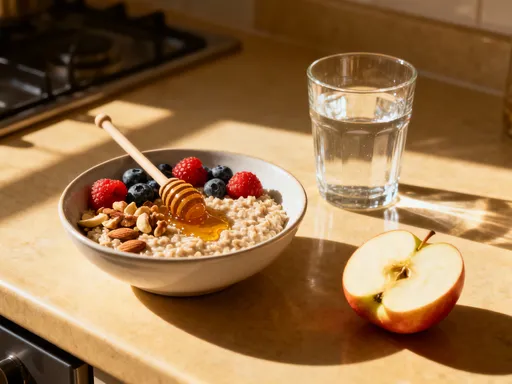
A balanced breakfast might include oatmeal made with milk or plant-based alternatives, topped with berries, chia seeds, and a spoonful of almond butter. This meal offers fiber, protein, healthy fats, and natural sweetness without the crash. For lunch, a large salad with grilled chicken, quinoa, mixed greens, cucumbers, and a vinaigrette made with olive oil provides a satisfying, energizing meal. Dinner could be baked salmon with roasted sweet potatoes and steamed broccoli—nutrient-dense and easy to prepare. The goal isn’t perfection but consistency. Even if one meal is less balanced, the next is an opportunity to reset. Over time, these choices become habits that support lasting energy.
Timing Matters: When You Eat Affects How You Feel
When you eat is almost as important as what you eat. Skipping meals, especially breakfast, can lead to low blood sugar by mid-morning, triggering fatigue and poor concentration. Waiting too long between meals has a similar effect. On the other hand, eating too frequently or too close to bedtime can disrupt digestion and sleep. The ideal approach is regular, balanced meals spaced every 3 to 5 hours, depending on your schedule and hunger cues. This rhythm helps maintain stable blood sugar and keeps energy levels even throughout the day.
Circadian biology plays a role, too. Your body’s internal clock influences digestion, metabolism, and hormone release. Energy tends to peak in the late morning and dip in the early afternoon, which is why a balanced lunch is crucial. Eating a substantial breakfast within an hour or two of waking signals to your body that it’s time to be active. A protein-rich morning meal can reduce cravings later in the day. For those who exercise, a small snack containing both carbohydrates and protein—like a banana with peanut butter or yogurt with granola—about 30 to 60 minutes before activity can enhance performance and prevent post-workout fatigue.
In the evening, focus on digestion-friendly meals that won’t interfere with sleep. Heavy, fatty, or spicy foods may cause discomfort and disrupt rest. Instead, opt for a moderate portion of lean protein, whole grains, and vegetables. Eating dinner at least two to three hours before bedtime allows for proper digestion. Staying hydrated during the day also supports energy, but reducing fluid intake in the evening can prevent nighttime disruptions. Listening to your body’s natural rhythms and aligning your eating schedule with them can reduce fatigue and improve overall well-being. It’s not about rigid rules, but about creating a routine that supports your energy needs.
Hydration and Gut Health: The Silent Energy Influencers
Dehydration is a stealthy cause of fatigue. Even mild fluid loss—just 1 to 2% of body weight—can impair concentration, mood, and physical performance. Many people don’t drink enough water, mistaking thirst for hunger or relying on caffeinated beverages that can have a diuretic effect. Water is essential for every metabolic process, including energy production. It helps transport nutrients, regulate body temperature, and remove waste. Starting the day with a glass of water, carrying a reusable bottle, and including water-rich foods like cucumbers, oranges, and soups can help maintain hydration.
Gut health is another underappreciated factor in energy levels. The gut microbiome—the trillions of bacteria living in the digestive tract—plays a role in nutrient absorption, immune function, and even mood regulation. An imbalance in gut bacteria, known as dysbiosis, has been linked to fatigue, brain fog, and low-grade inflammation. A diet rich in fiber from vegetables, fruits, legumes, and whole grains feeds beneficial bacteria, promoting a healthy microbiome. Fermented foods like yogurt, kefir, sauerkraut, and kimchi introduce helpful probiotics. These foods are not miracle cures, but regular inclusion supports digestive health, which in turn supports energy.
Constipation and bloating—common issues for many women—can also contribute to fatigue by making you feel sluggish and uncomfortable. Fiber helps move waste through the digestive system, preventing these issues. Soluble fiber, found in oats and beans, forms a gel that slows digestion and stabilizes blood sugar. Insoluble fiber, found in whole grains and vegetables, adds bulk to stool. Drinking enough water is essential for fiber to work effectively. A simple habit like eating an apple with the skin, adding lentils to soups, or choosing whole grain bread can increase fiber intake without drastic changes. Over time, these habits support not only gut health but sustained energy and overall vitality.
From Theory to Table: Making It Sustainable
Understanding the science of energy-boosting foods is valuable, but real change happens in the kitchen, the grocery store, and at the family dinner table. Many women struggle to implement healthy eating due to time constraints, budget concerns, or picky eaters at home. The key is not to aim for perfection, but to make small, consistent improvements. Start with one change—perhaps adding protein to breakfast or drinking more water in the morning. Once that becomes routine, add another. Progress, not perfection, builds lasting results.
Meal planning and batch cooking can save time during busy weeks. Prepare large portions of grains, roast a tray of vegetables, or cook a pot of soup on the weekend. These can be mixed and matched into quick meals during the week. Keep healthy snacks on hand—hard-boiled eggs, nuts, fruit, or yogurt—to avoid reaching for processed options when hunger strikes. Smart grocery shopping helps too. Stick to the perimeter of the store where fresh foods are located, and read labels to avoid hidden sugars and unhealthy fats. Frozen vegetables and canned beans are nutritious, affordable options that last longer and reduce food waste.
Cravings are normal, especially when changing eating habits. Instead of strict deprivation, aim for balance. If you crave something sweet, enjoy a piece of dark chocolate or a bowl of berries with whipped cream. The goal is not to eliminate treats, but to make nutrient-dense foods the foundation of your diet. Food is not the enemy of energy—it’s the source. When you view meals as fuel for a full, active life, choices become more intentional. Over time, you may find that your energy improves, your mood stabilizes, and your reliance on caffeine or sugar decreases. This isn’t a short-term diet; it’s a long-term shift in how you nourish yourself.
True energy isn’t found in stimulants or shortcuts—it’s built daily through mindful eating. By aligning food choices with your body’s needs, fatigue becomes optional. This isn’t a diet; it’s a lifestyle shift that pays off in focus, resilience, and vitality. You don’t need perfection—just progress. Start where you are, eat what fuels you, and let energy follow.