Dance Your Way to Real Health: What It Actually Means to Move Well
What does it truly mean to be healthy? It’s not just about numbers on a scale or how fast you run. I discovered real health when I started dancing—no mirror, no pressure, just movement that felt good. It reshaped my strength, balance, and energy in ways I never expected. This is not a fitness trend. It’s about meeting your body’s needs through rhythm, joy, and consistency. Let’s explore what health really looks like when you stop chasing perfection and start moving with purpose. Real health is not defined by appearance, but by how well your body functions in everyday life—how easily you climb stairs, carry groceries, play with children or grandchildren, and move without pain. Dance offers a unique path to this kind of wellness, one that combines physical effort with emotional fulfillment and long-term sustainability.
The Hidden Gap in Modern Health Standards
Modern health culture often equates wellness with appearance—trim waistlines, sculpted arms, or a certain number on the scale. While these metrics can provide some insight, they rarely reflect the full picture of physical vitality. A person may appear fit but struggle with basic movements like bending, turning, or standing steadily on one foot. True health is better measured by functional ability: how well the body performs daily tasks, maintains balance, and adapts to physical challenges. Scientific research increasingly supports this shift in focus, emphasizing markers such as aerobic capacity, joint mobility, neuromuscular coordination, and postural stability as more accurate indicators of long-term well-being.
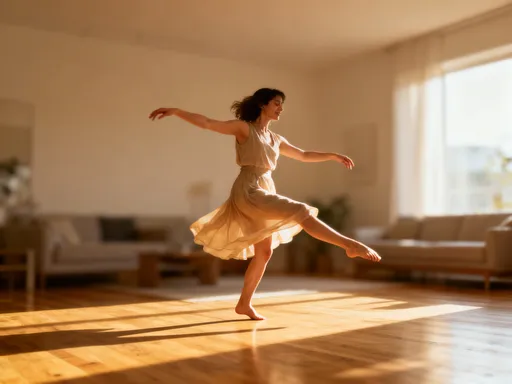
Dance naturally enhances all of these functional qualities. Unlike isolated exercises that target single muscle groups, dance involves full-body coordination, rhythm, and dynamic movement patterns. When someone dances, they engage multiple systems at once—muscular, cardiovascular, nervous, and vestibular. This integration strengthens not just muscles, but the brain’s ability to control them efficiently. For example, turning during a simple waltz step improves proprioception—the body’s sense of where it is in space—while shifting weight from one leg to another builds balance and joint resilience over time.
Moreover, dance promotes movement literacy, a concept often overlooked in conventional fitness. Movement literacy means understanding how to use your body safely and effectively across different environments and situations. It includes knowing how to land softly after a step, how to shift weight smoothly, and how to recover balance instinctively. These skills become especially important as we age, reducing the risk of falls and injuries. Public health data shows that adults who maintain good balance and coordination are more likely to remain independent later in life. Dance, therefore, isn’t just enjoyable—it’s a preventive health strategy disguised as self-expression.
Why Dance Is More Than Just Movement
At first glance, dance might seem like entertainment rather than exercise. But beneath the music and motion lies a complex physical and cognitive workout. Dance requires simultaneous engagement of the heart, muscles, and mind. It is one of the few activities that blends cardiovascular endurance, muscular strength, flexibility, and mental processing into a single, fluid experience. Unlike repetitive treadmill sessions or weightlifting sets, dance challenges the brain with unpredictable sequences, rhythmic timing, and spatial navigation. This dual demand makes it uniquely effective for overall health.
Scientific studies have consistently shown that regular dancing supports brain health. Research published in the New England Journal of Medicine found that among various physical activities, only dancing was associated with a significantly reduced risk of dementia in older adults. The reason? Dance involves constant decision-making—remembering steps, adjusting to partners, interpreting music, and adapting movements in real time. These cognitive demands stimulate neural plasticity, the brain’s ability to form new connections, which helps preserve memory and mental clarity.
Additionally, dance improves spatial awareness, an often-overlooked component of physical intelligence. As dancers move through space, they learn to judge distances, anticipate movements, and coordinate limbs in three dimensions. This skill translates directly to everyday activities, such as avoiding obstacles while walking, reaching for items on high shelves, or navigating crowded areas. Over time, this heightened awareness reduces the likelihood of accidents and enhances confidence in movement. The combination of physical exertion and mental engagement also leads to a natural release of endorphins and dopamine, chemicals linked to improved mood and reduced stress.
How Dance Meets Key Health Benchmarks
Major health organizations, including the World Health Organization (WHO) and the American Heart Association, define physical wellness through specific criteria: at least 150 minutes of moderate-intensity aerobic activity per week, muscle-strengthening activities on two or more days, and sufficient flexibility and balance training. Dance aligns seamlessly with all of these guidelines. A single 30-minute dance session can meet the recommended threshold for moderate aerobic exercise, depending on intensity and style. Faster forms like salsa, line dancing, or Zumba elevate heart rate into the target zone, improving cardiovascular endurance and circulation.
Dance also builds muscular strength, particularly in the core, legs, and glutes. Movements such as pliés, lunges, turns, and controlled steps activate major muscle groups through functional resistance. Unlike static weight training, dance strengthens muscles in motion, enhancing coordination and joint stability. This type of strength is more applicable to real-life situations—standing up from a chair, walking uphill, or lifting objects—because it trains muscles to work together in harmony.
Flexibility is another key benefit. Many dance styles incorporate stretching, reaching, and flowing movements that increase range of motion in the hips, shoulders, and spine. Regular practice helps maintain joint health and prevents stiffness, especially important for those leading sedentary lifestyles. Furthermore, dance contributes to healthy body composition over time. While it may not lead to rapid weight loss, consistent dancing supports sustainable fat reduction and muscle toning by increasing daily energy expenditure and improving metabolic efficiency.
Posture, too, sees noticeable improvement. As dancers become more aware of alignment and movement quality, they naturally carry themselves with greater confidence and spinal support. This leads to fewer aches in the back and neck, better breathing mechanics, and increased energy levels. In essence, dance delivers comprehensive health benefits without requiring additional workouts—making it a highly efficient and enjoyable way to meet established wellness standards.
The Mind-Body Connection That Sets Dance Apart
One of the most profound aspects of dance is its ability to strengthen the connection between mind and body. Unlike many forms of exercise where the mind can wander—such as watching TV while on a stationary bike—dance demands presence. To move in time with music, coordinate steps, and express rhythm, the dancer must be fully engaged. This mindful attention fosters a deeper awareness of bodily sensations, breath, and movement patterns.
This mind-body integration has measurable health benefits. Studies have shown that mindful movement practices, including dance, are associated with lower levels of cortisol, the primary stress hormone. When cortisol remains elevated over time, it can contribute to fatigue, weight gain, weakened immunity, and mood disturbances. By promoting relaxation and emotional regulation, dance helps counteract these effects. Participants in community dance programs frequently report feeling calmer, more centered, and emotionally uplifted after sessions.
Dance also encourages self-acceptance and body appreciation. In a world that often criticizes body shape or size, dance invites people to value their bodies for what they can do rather than how they look. Moving with intention and joy cultivates gratitude for physical capabilities, regardless of age or fitness level. This shift in perspective is powerful—it transforms exercise from a punitive act into a celebration of ability. Over time, this positive relationship with movement becomes a foundation for lasting well-being.
Building a Sustainable Routine That Actually Sticks
One of the biggest challenges in health and fitness is consistency. Many people begin exercise programs with enthusiasm but lose motivation when workouts feel tedious or overwhelming. Dance stands out because it feels less like exercise and more like play. The element of joy is critical—it increases adherence and makes long-term engagement possible. When movement is pleasurable, people are far more likely to return to it day after day.
The key to building a lasting dance habit is simplicity and accessibility. You don’t need special equipment, a gym membership, or perfect technique. Start with just five to ten minutes a day, using music that resonates with your mood and memories. Whether it’s a favorite song from your youth, a calming instrumental piece, or an upbeat pop track, the right music can spark motivation and emotional connection. Online platforms offer countless beginner-friendly dance videos, ranging from low-impact routines to gentle seated movements, making it easy to find a style that suits your energy level and mobility.
Focus on effort, not perfection. There is no “right” way to dance when the goal is health. Some days, movement may be slow and gentle; other days, it may be more energetic. What matters is showing up and allowing your body to respond. Celebrate small milestones—dancing through an entire song, trying a new step, or simply feeling more energized afterward. These moments build confidence and reinforce the habit. Over weeks and months, short, regular sessions accumulate into meaningful health gains—improved stamina, better balance, and a stronger sense of well-being.
Who Can Benefit—and How to Start Safely
Dance is one of the most inclusive forms of physical activity, adaptable to virtually any age, fitness level, or physical condition. Children, adults, and older adults alike can benefit from its physical and emotional rewards. For older individuals or those managing chronic conditions such as arthritis or diabetes, modified dance routines can improve joint mobility, circulation, and mood without strain. Chair dancing, for instance, allows full participation while providing support and reducing fall risk. People recovering from injury or living with limited mobility can still experience the joy and health benefits of rhythmic movement.
Safety begins with listening to your body. Beginners should start slowly, focusing on smooth, controlled motions rather than speed or complexity. Wear supportive footwear with good grip and cushioning, especially if dancing on hard surfaces. Choose a clear, open space free of clutter to prevent tripping. If you have existing health concerns—such as heart disease, balance issues, or joint pain—it’s wise to consult a healthcare provider before beginning any new physical activity. They can help determine appropriate intensity levels and suggest modifications.
Progression, not performance, should be the goal. There is no need to master complicated choreography or perform in front of others. The purpose is personal health, not spectacle. Many community centers, senior clubs, and wellness programs offer beginner dance classes specifically designed for safety and inclusivity. These group settings also provide social connection, which further enhances mental and emotional well-being. Even dancing alone at home can become a cherished daily ritual—a private moment of movement, music, and self-care.
Redefining Success: From Metrics to Movement Quality
True health progress should not be measured solely by numbers—weight, BMI, or cholesterol levels—though these can offer useful insights. More meaningful indicators are often felt rather than seen: Can you move without pain? Do you feel stronger when carrying bags or playing with loved ones? Has your energy improved throughout the day? Dance shifts the focus from external metrics to internal experience, encouraging people to notice how their bodies feel and function.
With regular dancing, subtle but significant changes occur. You might notice smoother transitions when standing up, better balance when stepping off a curb, or increased stamina during daily tasks. These improvements reflect deeper gains in neuromuscular coordination, joint health, and cardiovascular efficiency. Over time, they contribute to greater independence, resilience, and quality of life—especially as we age.
Dance also fosters a mindset of appreciation and patience. Instead of striving for an unattainable ideal, it invites you to honor your body as it is today. Each movement becomes an act of care, a way of saying, “I am worth this time and attention.” This shift in perspective is transformative—it turns health from a chore into a gift. When movement is tied to joy, it no longer feels like something you “should” do; it becomes something you want to do.
The most sustainable health habits are those rooted in pleasure and purpose. Dance offers both. It meets the body’s physical needs while nurturing the spirit. It builds strength, balance, and endurance in ways that feel natural and rewarding. And perhaps most importantly, it reminds us that health is not a destination, but a way of living—one step, one beat, one breath at a time.
Health isn’t a look—it’s a lifestyle built on movement that serves you. Dance offers a powerful, enjoyable way to meet real health standards without burnout or boredom. By aligning joy with function, it turns daily movement into a lasting habit. The best routine is the one you love enough to keep doing. And sometimes, that routine starts with nothing more than pressing play and moving as you are.